A complete English translation of Changshou’s original 2015 journal. The address has been updated to its current English form elsewhere on this site.
A tea room
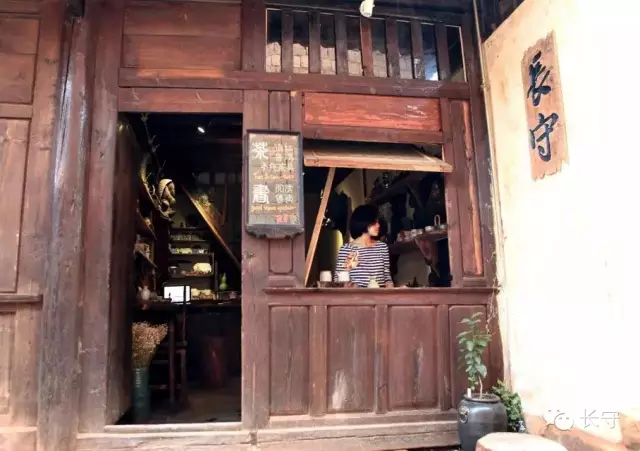
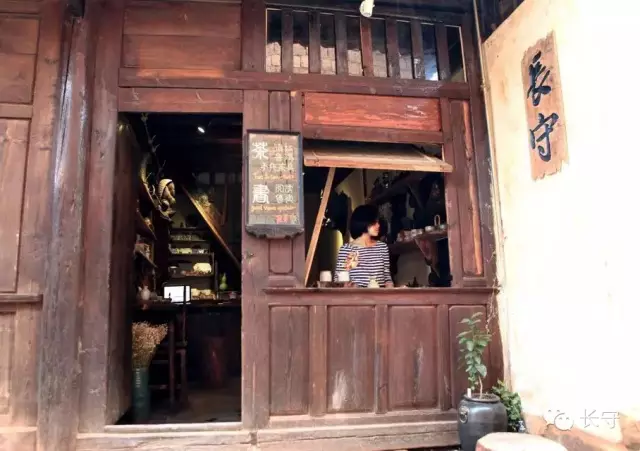
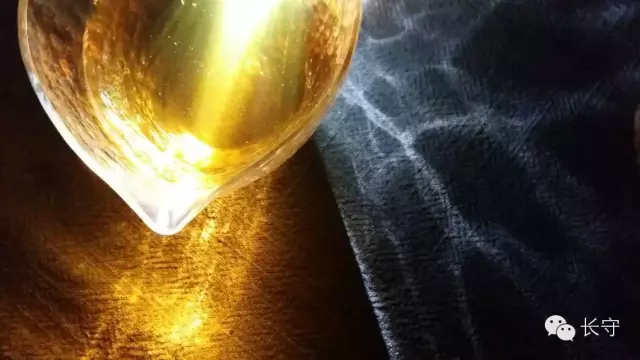
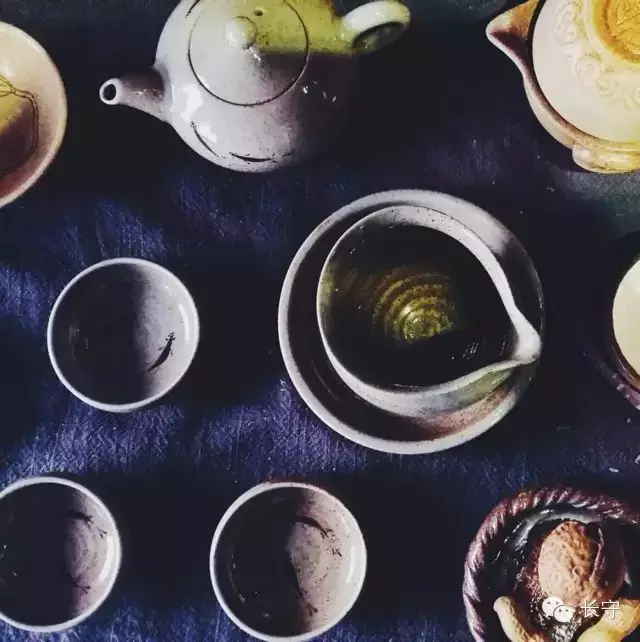
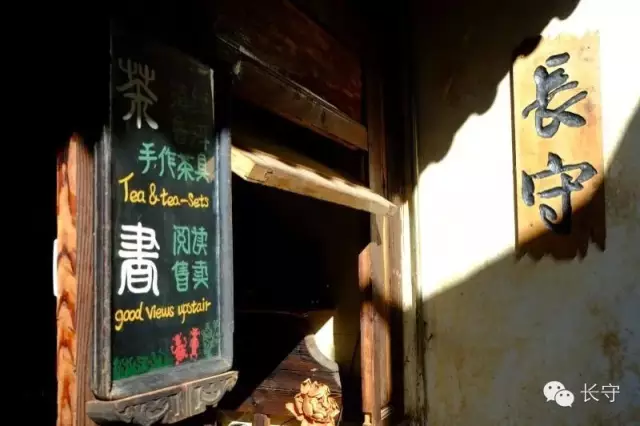
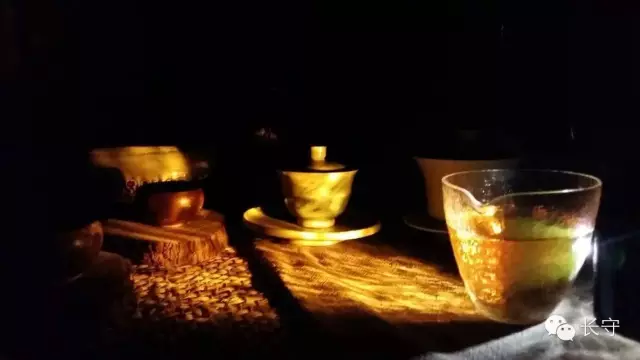
Changshou is a tea room. You can drink tea and read here. The loft has an entire wall of books, and there are teas I have made myself. If you pass through Shaxi, come in for a cup.
I first came to Shaxi before going to New Zealand to study. I volunteered at the old town’s hostel, book bar, and cafés. More than anywhere else, this small place drew me back. It was like Maugham’s idea of a spiritual homeland in The Moon and Sixpence: somewhere you have never been, yet where everything is familiar.
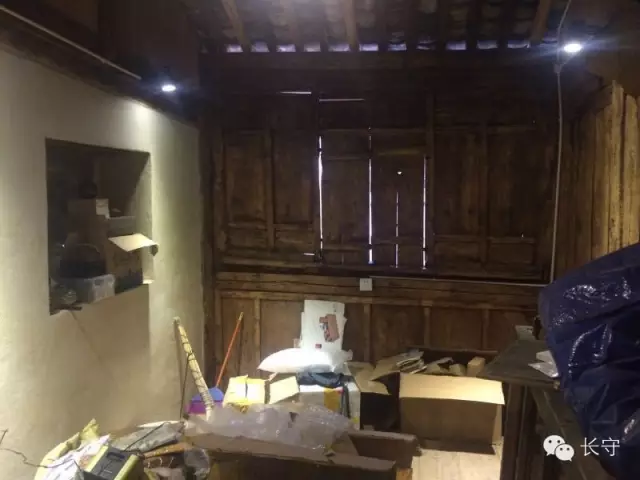
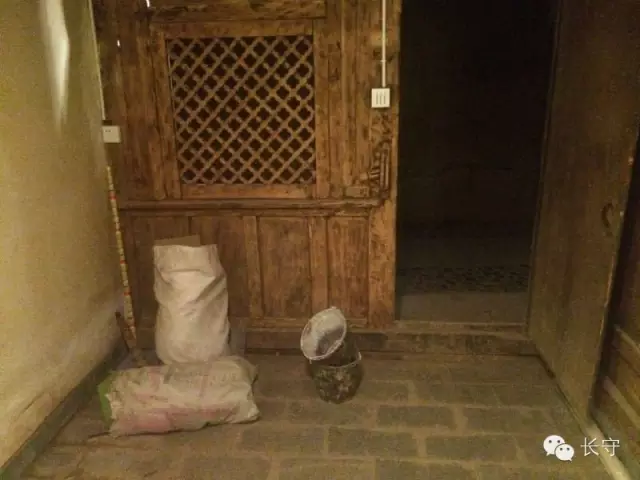
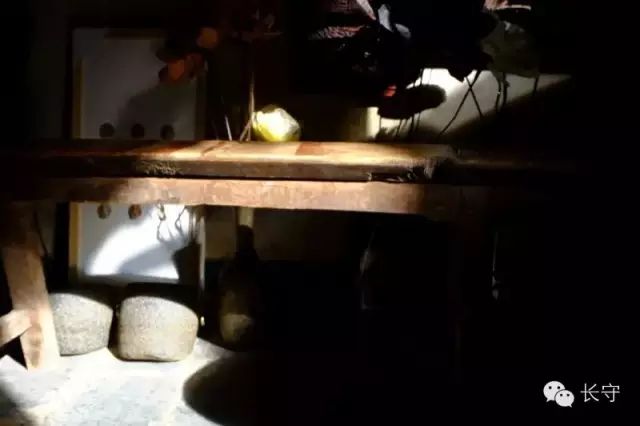
Later I left university. Delighted, I posted a message with a crooked grin: Let me look up how to get to Shaxi on Google Maps. Then I rented this shop east of Sideng Square. It was only twelve square metres, without basic water or electricity. Entering with a torch, it was a black hollow, like a cave from prehistory.
The wish to be enclosed
While renovating, I was also going to the psychiatric department at Dali Prefecture Second People’s Hospital. The doctor prescribed two weeks of medicine at a time, then asked me to return. On the first assessment I scored sixty-seven out of seventy-five. The severity of the depression puzzled the doctor: Doesn’t your family look after you?
In my New Zealand diary, depression appeared beside an intense wish for enclosure. I shut myself inside a cramped room with a sliding door that wore two tracks into the carpet. Smells were trapped there with me. I imagined socks swimming through the air like dark seahorses, a half-bottle of wine propelling itself by spurting liquid, and a blue-striped quilt moving like a whale. When I opened the window, the murky air thinned and everything slowly sank, becoming itself again.
As the lights closed and slowly brightened, a blurred boundary appeared. I preferred to remain within it rather than step into brightness. I thought of my body as a chocolate factory, departments processing the flow of energy in large molecules; food carrying sunlight into me.
The wish went further back. In the film Hide and Seek, an evil neighbour dug a hole in open country and filled it with coloured bulbs, food, and things to play with, like a treasure cave. I remember thinking: if only I had a cave like that.
The opposite of enclosure is openness, yet an open space can bring cosmic desolation. Leave the safe little cave and face boundless mountains, lakes, and sea, and the loneliness becomes vast. A friend felt it walking alone along a field ridge at dusk, with only a power pole and tired birds returning to their nests. My New Zealand diary remembered stranded cars, crows crossing together, light fading, rain on the road, stars behind cloud, and the solitary route home.
Later I travelled widely. I walked islands with a tent for a week, silent beside endless water. A person needs to go out and encounter that loneliness—to walk in mountains until heaven and earth seem reversed and the smallness of the individual becomes clear. But we also need a little space that keeps us warm. When I rented this cave, enclosure became Changshou’s theme: a place to stay quietly, drink tea, and read. Perhaps that touches a private part of many people.
Smoke, timber, and Master Yang
An elderly woman had once lived here. Each morning she set up a stove below and sold steamed buns to children walking to school. Every wall carried a thick black skin of smoke. The outside had to be stripped and plastered; the wooden walls sanded back and finished again.
The first two builders were difficult. Each day brought another bargain and another reason to raise the price. After a week they stopped, crouching by the road to smoke and wait until I agreed to new terms. I finished much of the sanding myself, sent them away, and made little progress until Master Yang arrived.
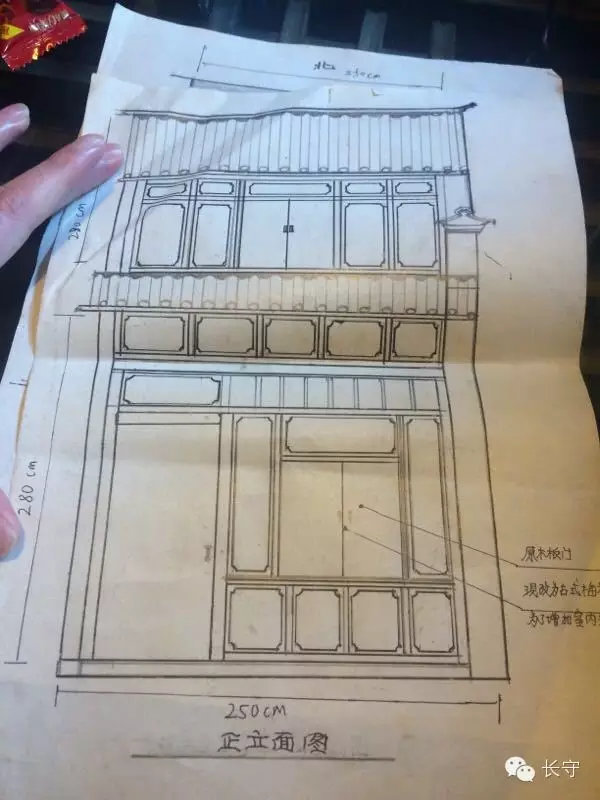
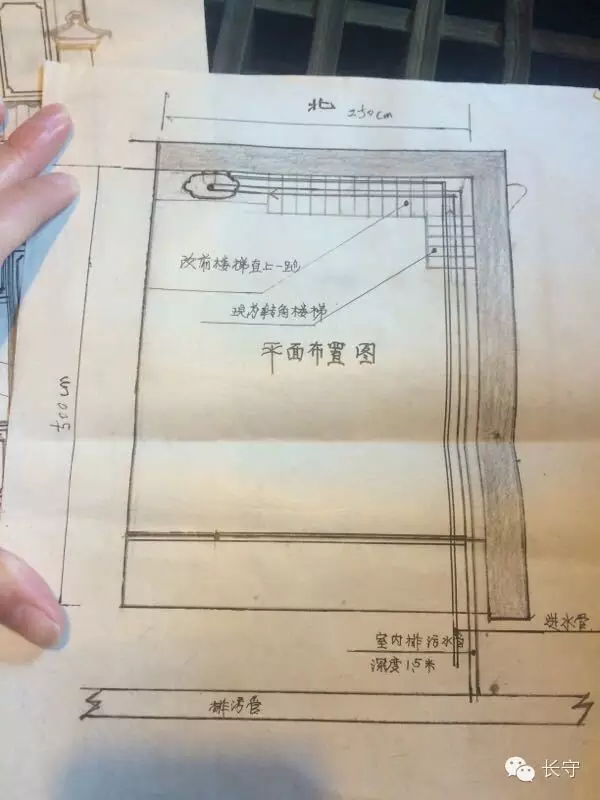
He worked carefully and communicated well. If we stood back, disliked something, and asked him to redo it, he simply did. Once the structural repairs, wiring, and drainage were finished, we began to think about the plan and what to put inside.
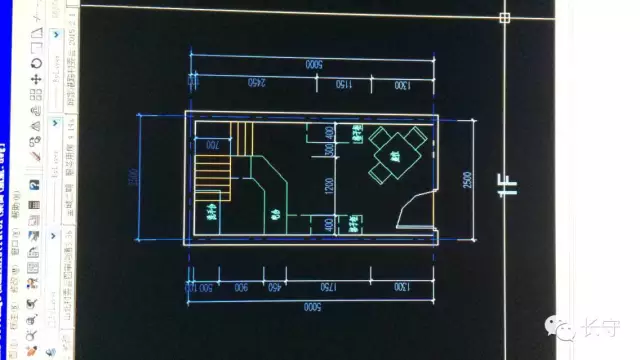
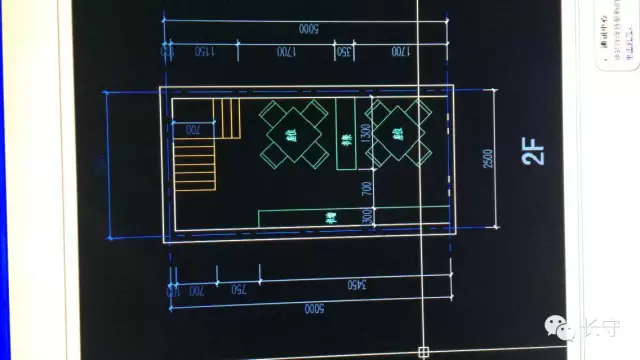
I had never renovated anything and did not know to begin with a complete design. Everything happened one step at a time. Tables, benches, and stools came from nearby villages and were altered to fit. In Shilong village we paid one hundred yuan for a primary-school desk and a broken chair. Master Yang and I thought for three days about the desk, cutting it smaller until it became a two-step stair below the raised platform.
Carved ends from demolished beams were sawn off and fixed to the walls or used beneath shelves. A wooden cable spool became a tabletop. A rice cabinet missing one foot took five days to repair, repaint, and fit with new handles.
Learning the room by making it
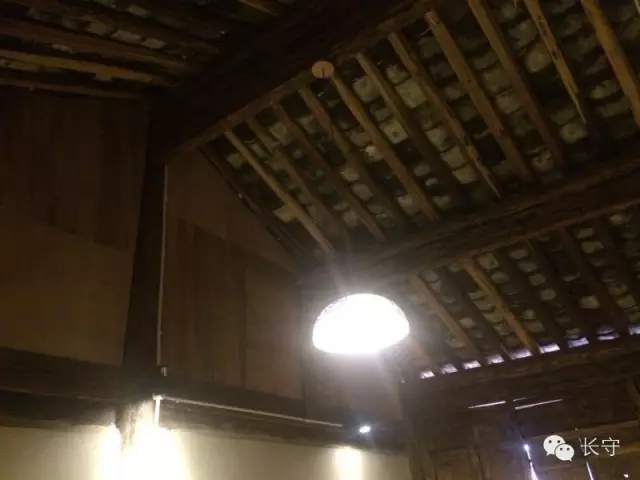
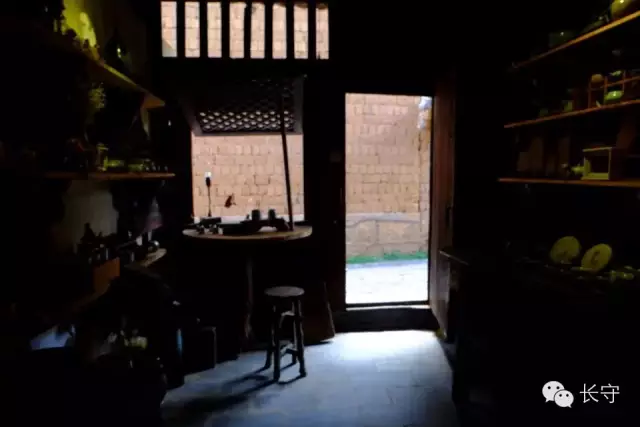
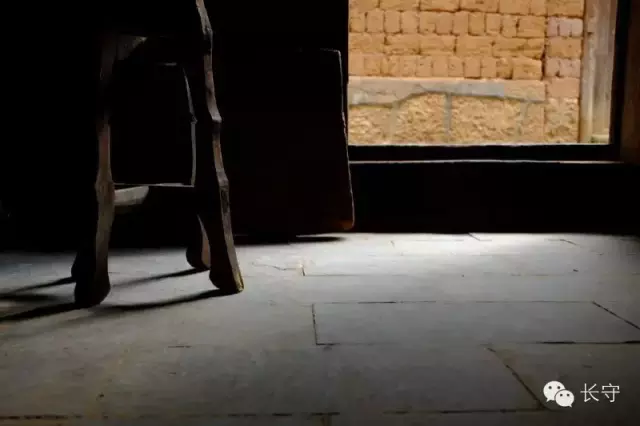
During the work I read Kengo Kuma’s Natural Architecture. Its buildings taught how to use materials found in nature rather than relying on concrete and steel. I became almost doctrinaire: no composite board, solid wood wherever wood was needed, bamboo for the ceiling, local bluestone for the floor. The walls were levelled with earth, brushed once with lime and chopped rice straw, then left unpainted.
Lighting remained difficult. I read one book and began recklessly. The first spotlights were insufficient; the busiest contractor in town squeezed our wiring between other jobs and vanished again. Even now we keep adding lamps and shifting their positions.
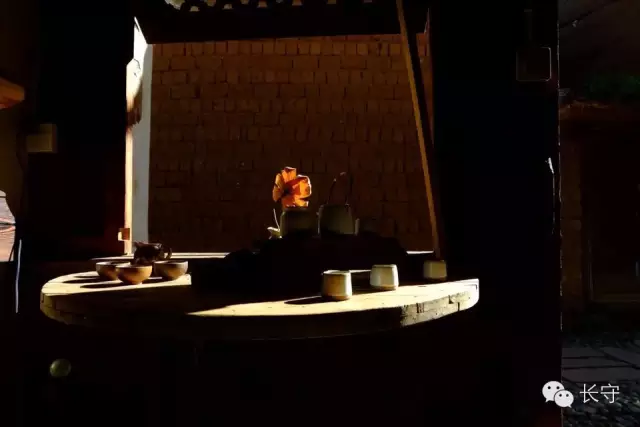
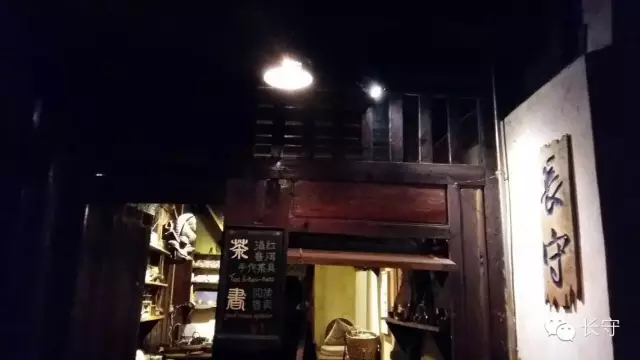
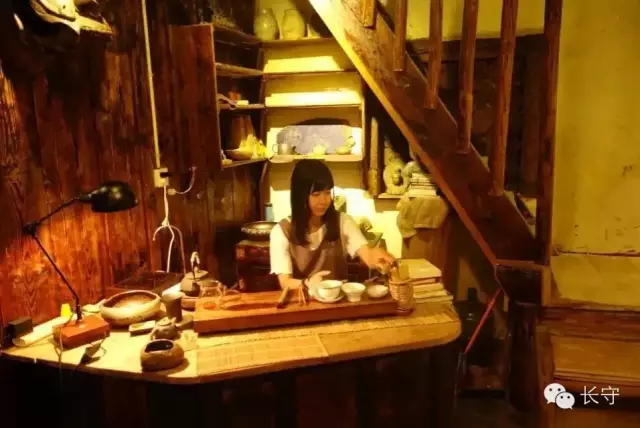
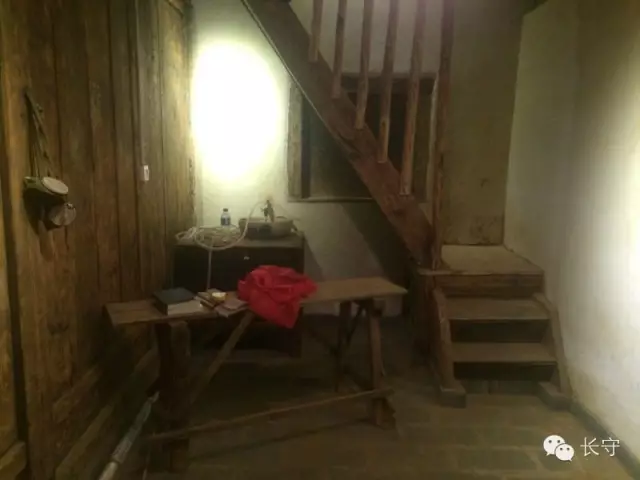
Wood caused the most trouble. We measured one day, then set out at dawn with a handcart for the timber yard. Without experience, we bought damp boards that twisted and split after being fixed. The master explained what moisture did, but there was little to do except worry.
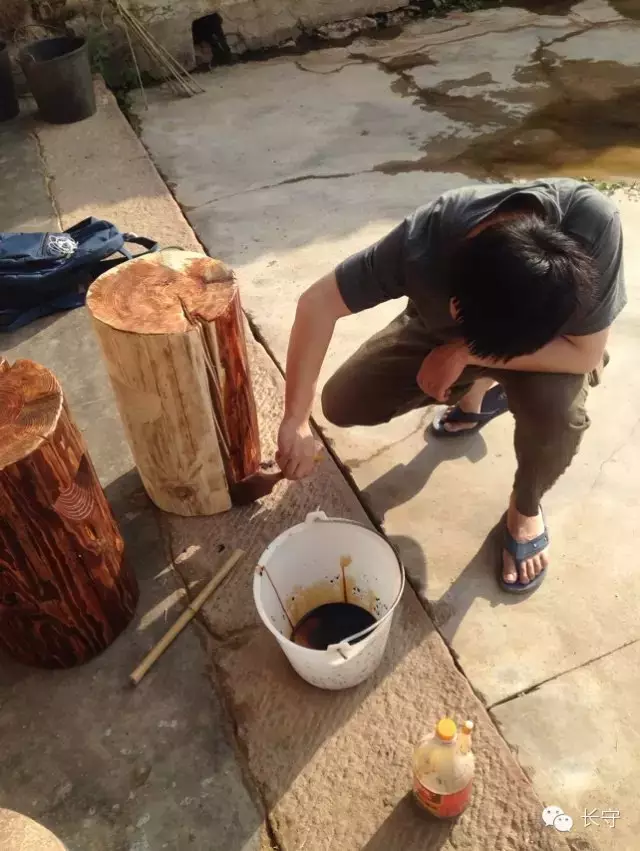
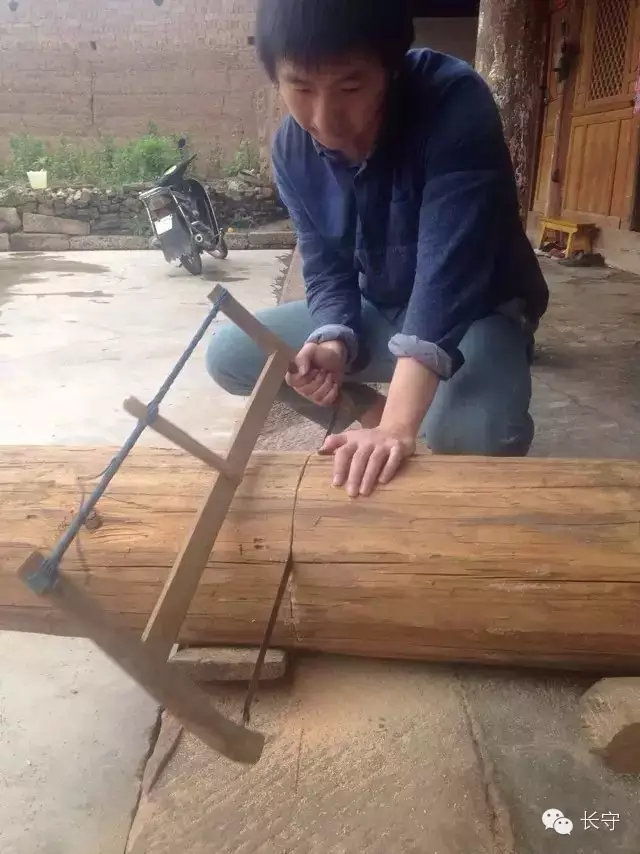
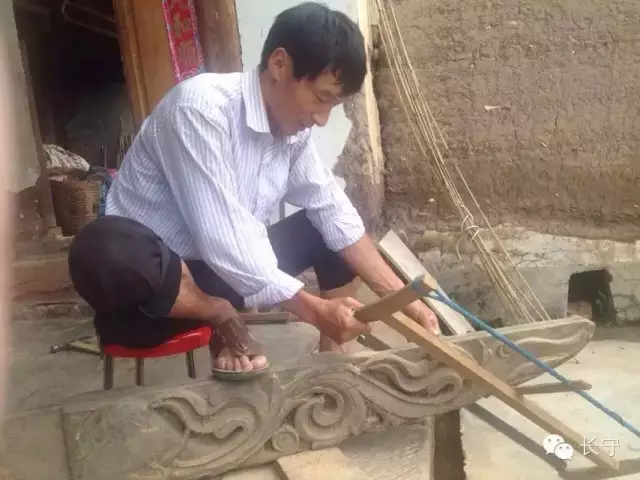
One morning the sky was still blue-grey. White frost covered every board in the yard. Half asleep, I pulled a cart of timber around several turns and became lost at the edge of fields I had never seen. Yellow-green rice straw lay flat; mountain mist rose in distant strands; frost cracked from the wood with a sound like thunder. I cannot forget that moment.
A small room, still changing
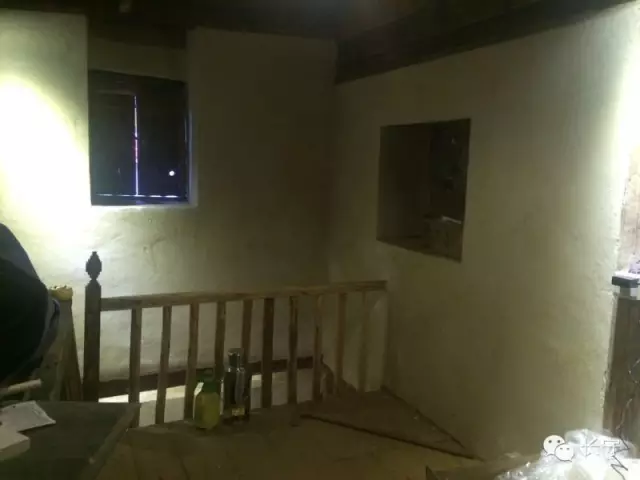
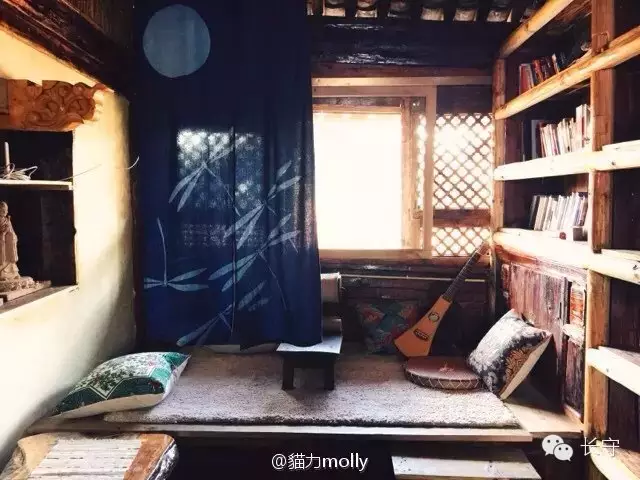
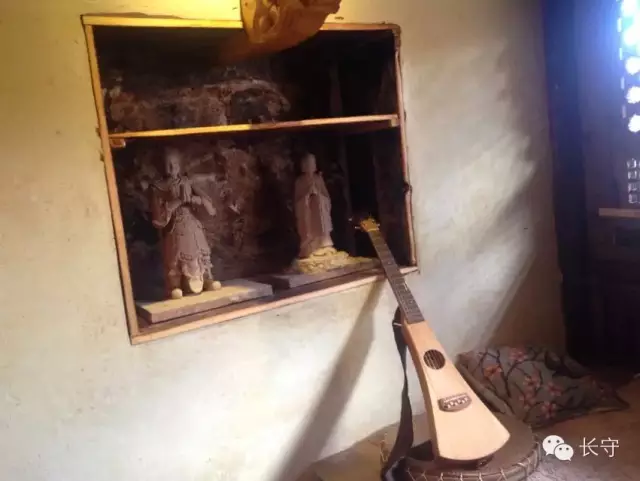
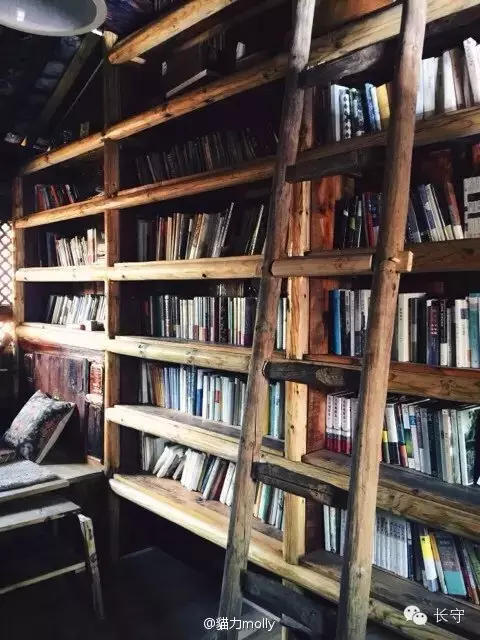
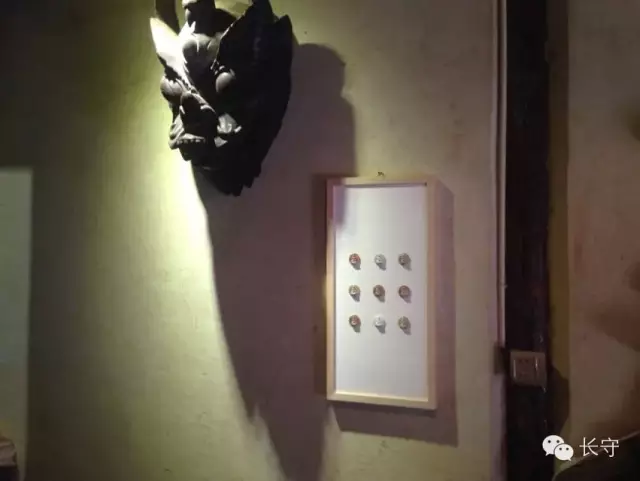
In weak light the ground floor looked like a deep aquarium. Upstairs, rafters joined with mortise-and-tenon supported a wall of books. A tatami platform sat by the window, divided by a curtain because it was the place where a person could feel most alone. Even after the first shape of Changshou appeared, Master Yang and I continued altering it.
The name came from an old Shaxi dog called Changshou. I liked its sound and borrowed it. When I explained it, a friend said she was moved: it is hard for a person to keep watch for so long, but a tree can, a dog can, a room can. You have given the room a hope. Perhaps one day you will leave, but it will still be here, keeping watch.
Our address is No. 49 Sideng Street, Shaxi Old Town. My WeChat is lv016958. Changshou’s tea is also sold online, and future stories about Shaxi, the room, and the teas will appear here.