Tea collection · 红茶

Black Tea

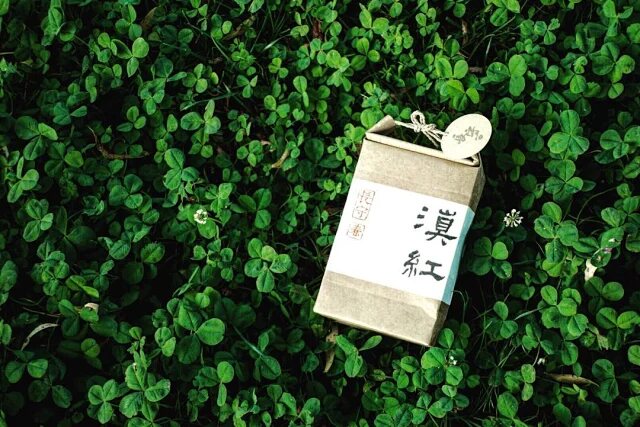
Changshou’s black teas are made to keep the character of Yunnan leaf clear: fruit, flowers, sweetness and a generous texture without relying on heavy roast. Some are sun-dried; the tiny wild-tea lots are finished gently to preserve their own fragrance.

Whole-leaf black teas made in small batches, with the making adjusted to the material rather than pushed toward a single house style.

See the teas
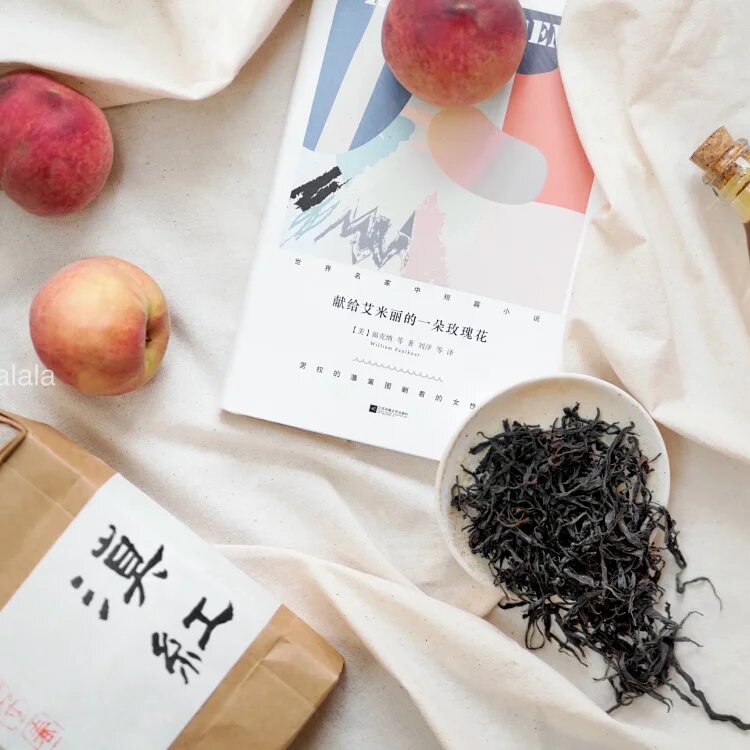
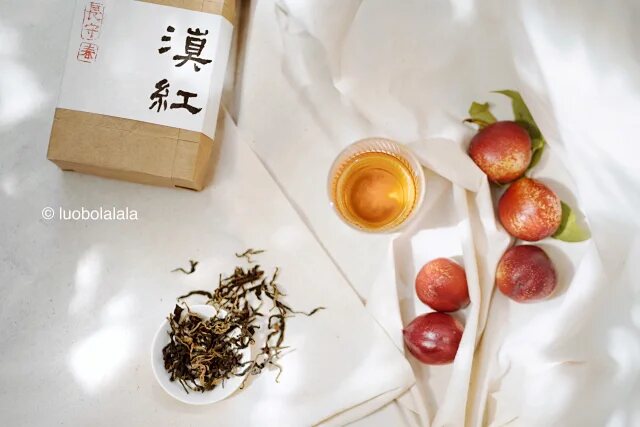
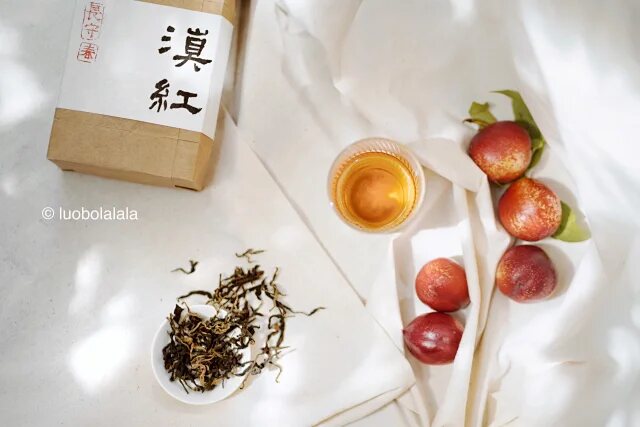
Shanhe sun-dried black tea served with autumn fruit

Current selection

Teas in this collection

Availability changes with the season. Use the enquiry button to ask about a specific tea.

01
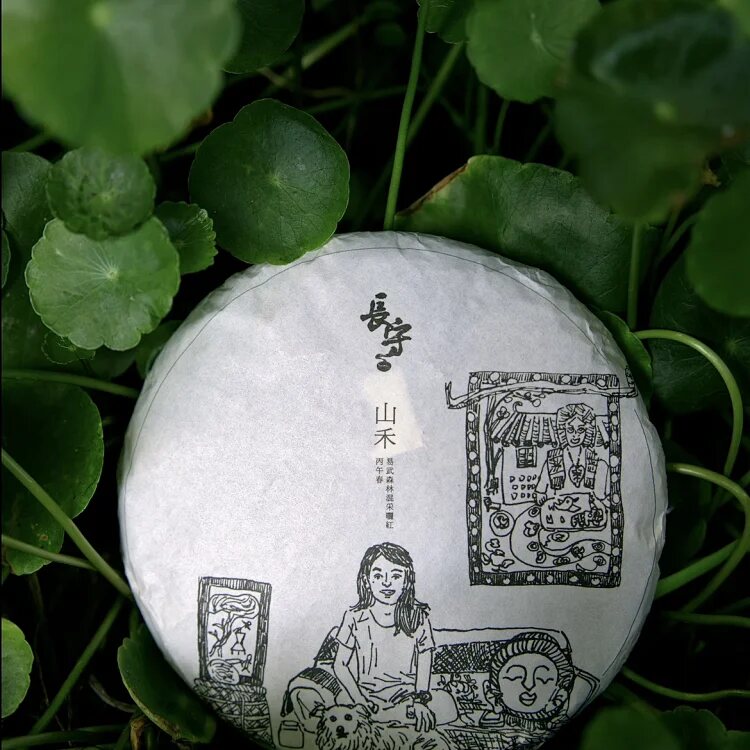
Shanhe · Sun-Dried Black TeaAnother view of Shanhe · Sun-Dried Black Tea

Seasonal 2024 / 2026 batches · loose or 200 g cake

Shanhe · Sun-Dried Black Tea

山禾 · 晒青红茶

Several batches failed before we found a stable balance of withering and oxidation for this sun-dried black tea. Its name, Shanhe, joins mountain with grain or seedling; the liquor is silky and open, with fruit, flowers, and honeyed sweetness.

Shanhe taught Changshou that black-tea making is as much about timing as recipe. Several early batches failed before oxidation could be held at the right temperature and humidity. Instead of a high-temperature final firing, Shanhe is dried in the sun, giving it a softer, more active character that continues to change. Spring batches tend toward apple, apricot, flowers, and honey; autumn tea is deeper, with a longer throat finish and fragrance left in the cup.

Origin
Cunqing material, Yiwu · Yunnan
In the cup
Apricot · orange · apple · flowers · honey
Availability
Ask which batch and format is available
Enquire
02
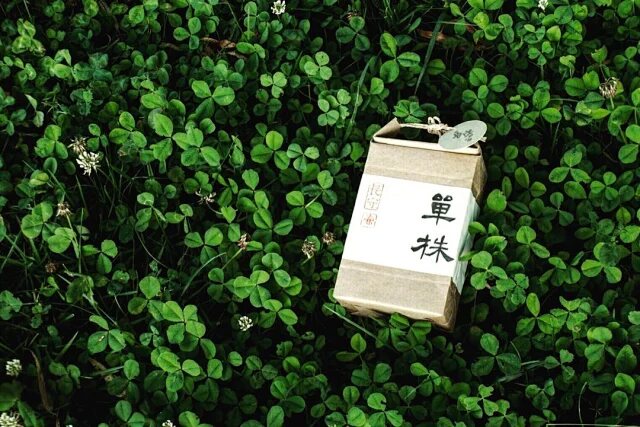
Single-Tree Wild Black · 2026Another view of Single-Tree Wild Black · 2026

Spring 2026 · 100 g

Single-Tree Wild Black · 2026

野生红单株 · 2026

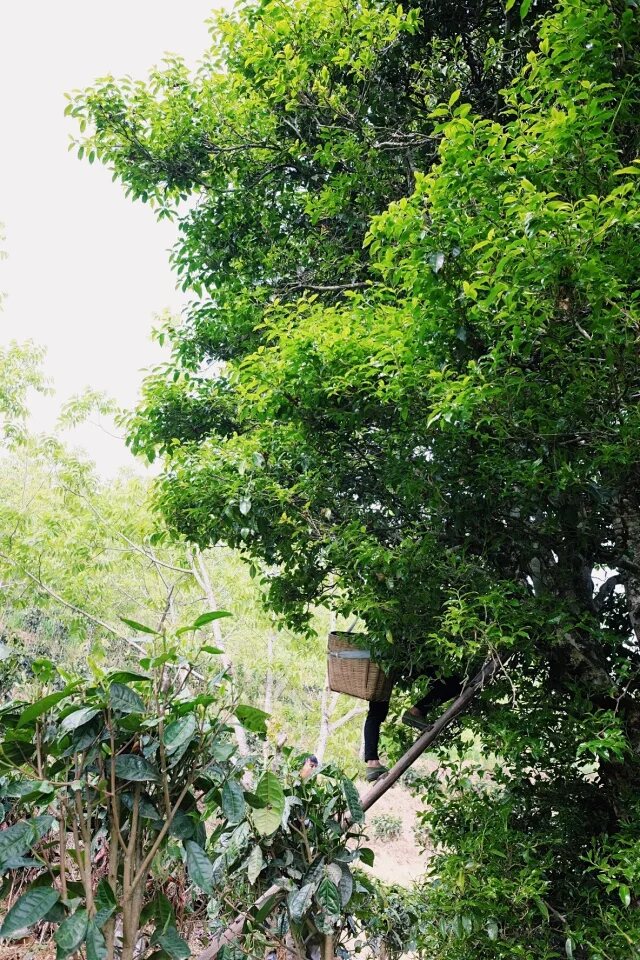
Five or six pickers spend a full day on a wild tree more than three metres high, yielding under ten kilograms of dry tea. Keeping that tree separate preserves its individual character: remarkable purity, round body, cool sweetness, and coherent fragrance.

The wild leaf is withered in shade, rolled, oxidised in a controlled warm environment, then dried at low temperature rather than roasted hard for aroma. Because one large tree is picked and made separately, the batch keeps that tree’s own balance instead of averaging it into a forest blend. Changshou looks for clean oxidation—avoiding over-fermented sweet-potato notes or high-fire roast aroma—so the yellow-peach, lime, rose, honey, and cool sweetness come from the material itself.

Origin
Fengqing protected forest · Yunnan
In the cup
Yellow peach · lime · honey · wild rose · caramel
Availability
Very small lot · enquire
Enquire
03
Mixed-Pick Wild Black · 2026Another view of Mixed-Pick Wild Black · 2026

Spring 2026 · 100 g

Mixed-Pick Wild Black · 2026

野生红混采 · 2026

Mixed wild trees grow almost invisibly among the forest rather than in a managed plantation. The tea is warm, generous, and thick, with vivid mountain character, lifted fruit and flowers, and clean honeyed sweetness.

These are uncultivated wild-type tea trees scattered through protected forest around Fengqing. The leaf is picked from many plants, then withered, rolled, fully oxidised, and dried. Wild material has fewer downy buds and a waxier leaf than cultivated tea, but deeper oxidation turns its natural austerity into a warm liquor with bright acidity, fruit, honey, maple-like sweetness, flowers, and the unmistakable impression of the forest where it grew.

Origin
Fengqing protected forest · Yunnan
In the cup
Wild fruit · honey · maple sugar · bright acidity
Availability
Small seasonal lot · enquire
Enquire

Contact us

Get in touch.

Ask us about our tea, pottery, or visiting the tea house in Shaxi.

WeChat
lv016958
Visit
Changshou Tea House, No. 49 Sideng Street, Shaxi Old Town, Jianchuan County, Dali, Yunnan, China
云南省大理州剑川县沙溪古镇寺登街49号 长守茶室
Please contact us before visiting.

The form sends your message directly to Changshou. You can also write to us by email or WeChat.

Newsletter

Notes from Changshou

Occasional notes on tea, the people and places behind it, and Luo Bo’s pottery.