Finding Shaxi
Gu Rui first came to Shaxi in 2012, before leaving to study in New Zealand. He volunteered at a hostel, bookshop and cafés in the old town, and kept returning to a place that felt strangely familiar.
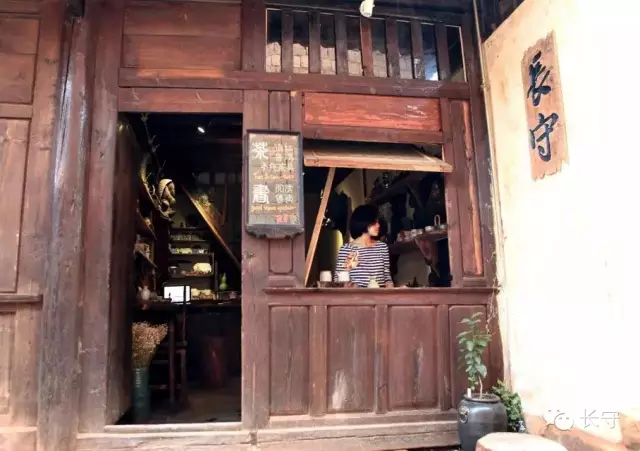
He came back in 2014 after leaving university. Shaxi had guesthouses, cafés and a bookshop but no dedicated tea room, so in 2015 he rented a twelve-square-metre shop east of Sideng Square. There was no running water or electricity; with a torch, the room felt like a cave.
Building the room
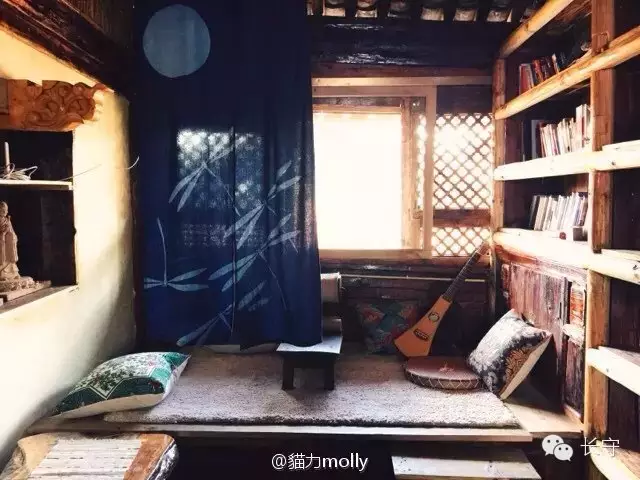
The walls had been blackened by years of smoke from the stove of the woman who sold steamed buns there. Two builders came and went before Master Yang took over. Together they cleaned the old timber, laid local stone, reworked salvaged furniture and built a loft with a wall of books.
Much of the room was improvised from what was at hand: carved beam ends became brackets, a school desk became a small staircase, a cable spool became a table. Clay plaster, bamboo, stone, old wood and low light gave the tiny shop its enclosed, quiet character.
Following the tea
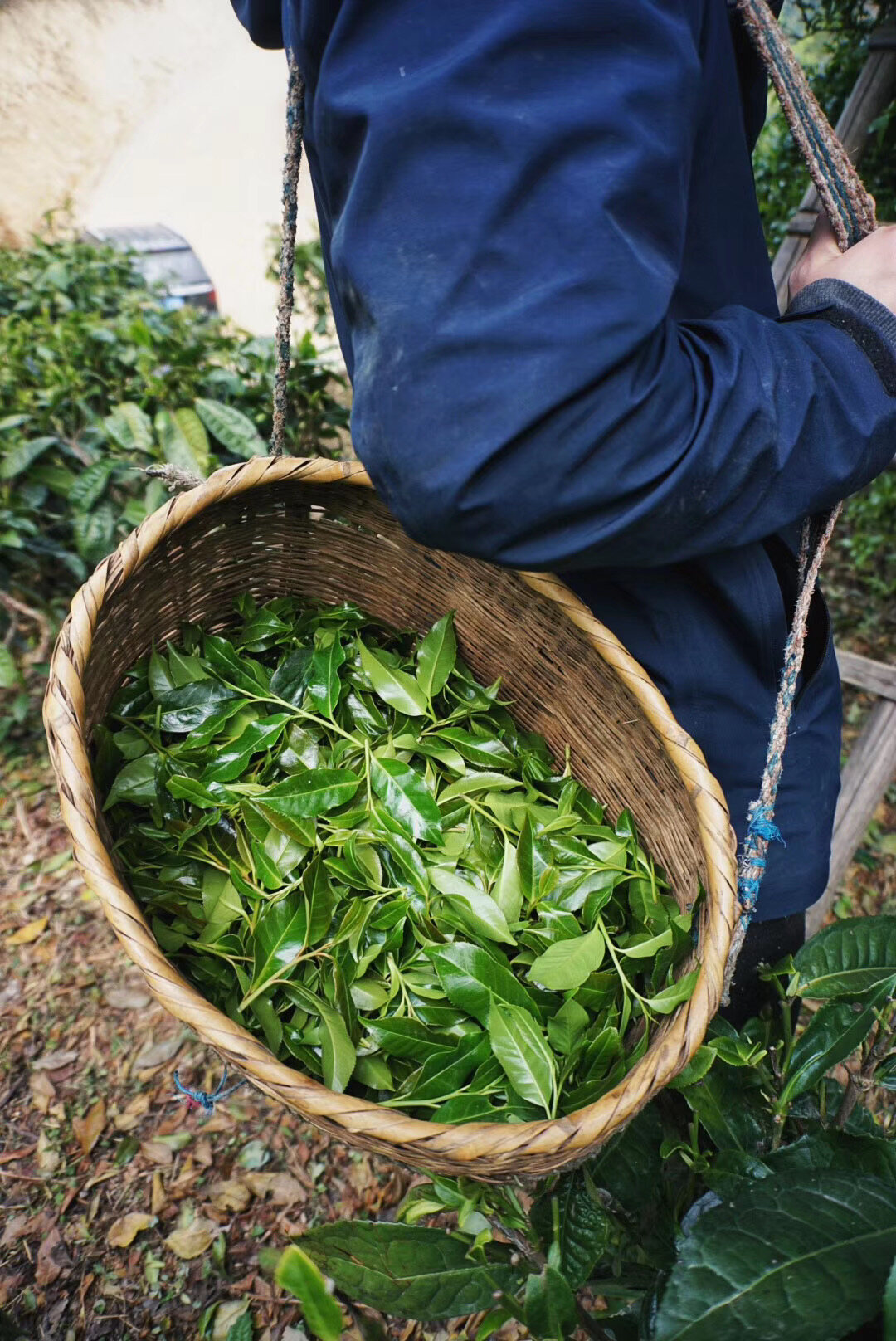
That September, Gu Rui travelled to Jingmai Mountain to learn how tea was made. Those early trips became the beginning of Changshou’s tea work. In later years, he and Luo Bo kept returning to gardens and villages across Yunnan, staying through harvests, joining the work and tasting each batch as it developed. The tractor roads, forest paths, sudden rain, failed batches and long relationships behind the teas are still part of how Changshou works today.
Every tea asks for a different kind of attention. A white tea may turn on the pace of its wither; a raw Pu’er on the feel of the pan-firing; a black tea on knowing when the oxidation has gone far enough. Back in Shaxi, Gu Rui and Luo Bo keep tasting the finished teas as they settle and change.
Luo Bo, clay, and life around the table
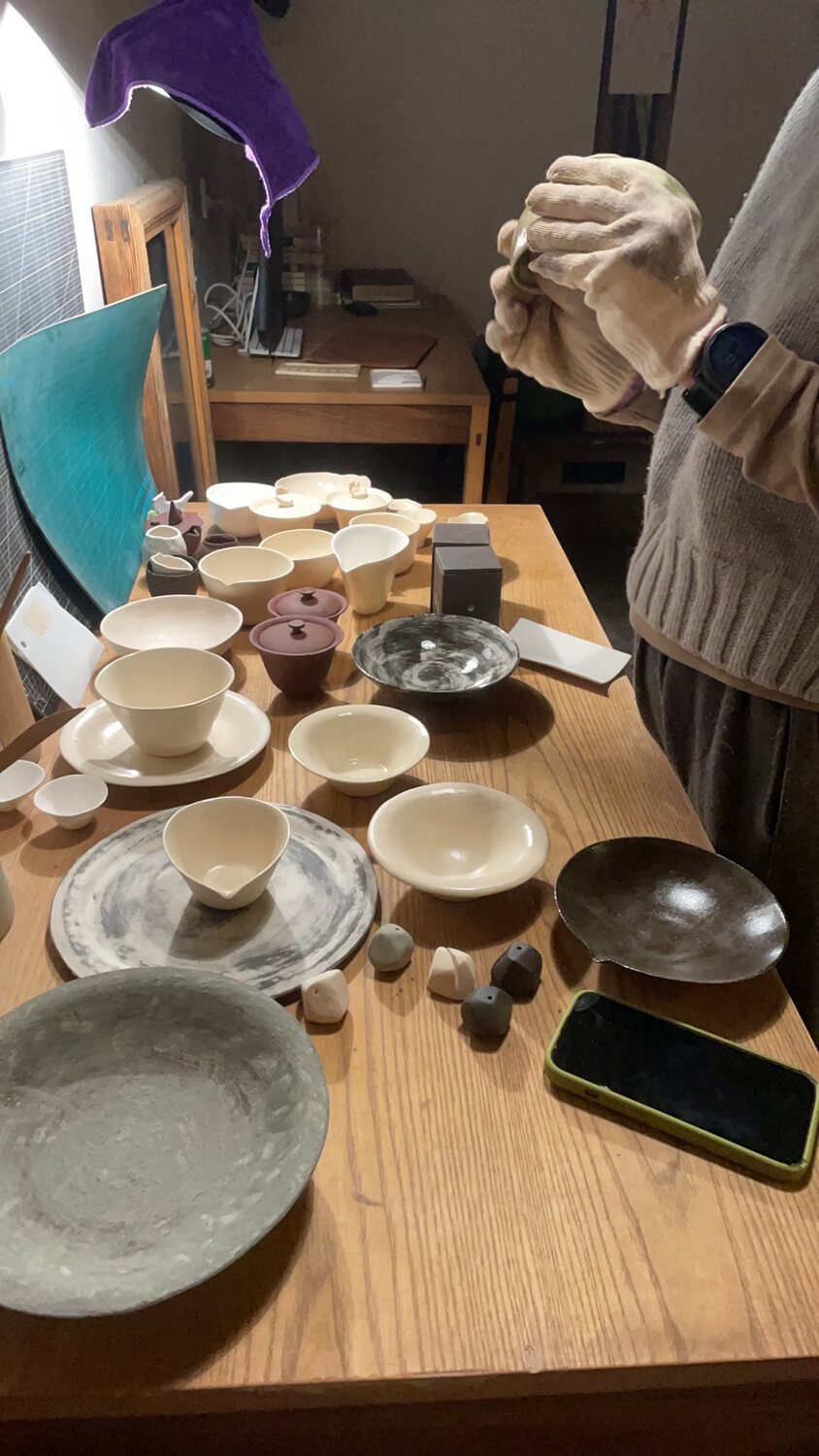
Luo Bo is one of Changshou’s founders and has long been part of its photography, editorial work, and tea making. Her pottery grew alongside daily brewing but follows its own imaginative path. Cups, pots, lids, and serving vessels become playful, sculptural presences, each made individually and full of character.
Books, visiting friends, local craftspeople, three rescued dogs, and the cats Beidou, Dahe and Xingxing became part of the same life. Changshou’s journal writes about them alongside tea because the tea room has always been shaped as much by ordinary days as by what it sells.
The name Changshou
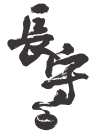
The name began with an old dog in Shaxi called Changshou—written 长手, “long hand”. Gu Rui kept the sound but changed the second character to 守, “to keep” or “to stay”. In the tea room’s own telling, 长守 came to mean the kind of companionship that lasts.
Changshou is still small: tea made in the mountains and brought back to Shaxi, Luo Bo’s pottery, and a table at No. 49 Sideng Street where both can be shared.