Tea from Yunnan

Start with the leaf.

Most of Changshou’s teas begin in places Gu Rui and Luo Bo have returned to for years. Some are familiar teas they make again each season; others begin with a garden or a batch that catches their attention on the road. They stay close to the tea from fresh leaf to finished batch, then keep tasting it back in Shaxi as it settles and ages.

Explore our tea

Four tea families

Availability changes with the harvest and with what remains in storage. Each family page includes current and recent teas; write to us to confirm a batch or vintage.

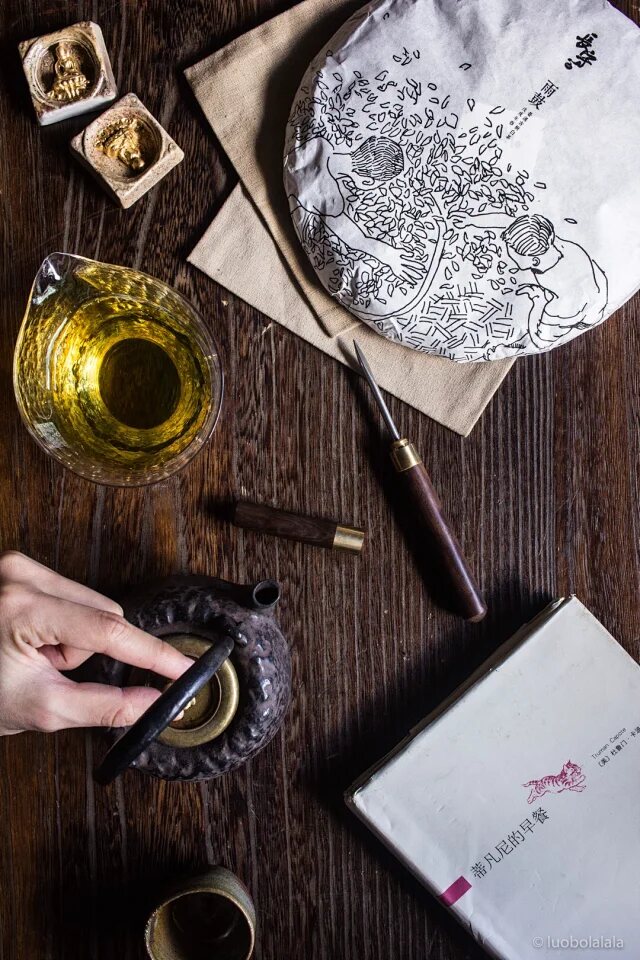
Yugu Jingmai white tea arranged on the Changshou tea table01

白茶 · Quiet · fragrant · patient

White Tea

White tea is simple on paper—mostly withering and drying—which makes the leaf and the timing all the more visible. Changshou’s whites range from bright, floral Silver Needle to old-tree cakes that grow rounder and more honeyed with time.

View the collection
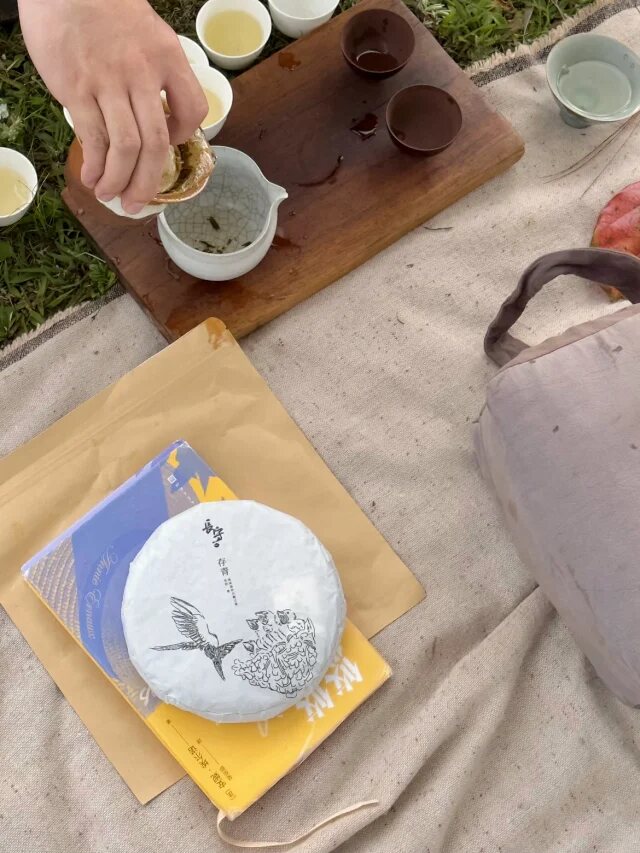
Cunqing raw Pu’er cake and dry leaf from Changshou’s product photographs02

普洱 · Raw · ripe · changing with time

Pu’er Tea

The Pu’er collection moves from young raw teas made in forest gardens to ripe teas that have had years to settle after fermentation. Different as they are, both begin with Yunnan large-leaf tea and are chosen with an eye to what time may bring.

View the collection
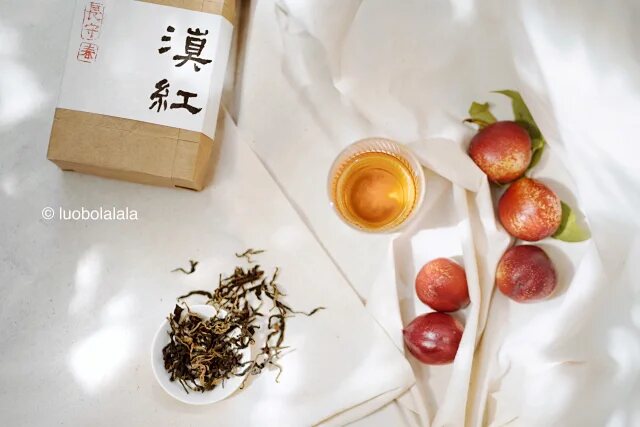
Shanhe sun-dried black tea served with autumn fruit03

红茶 · Whole leaf · warm · generous

Black Tea

Yunnan black tea can be generous without being heavy. Changshou’s include sun-dried teas and tiny lots from wild tea trees, made to keep their fruit, flowers and sweetness clear rather than cover them with roast.

View the collection
Wuliang Mountain oolong being poured at the Changshou tea table04

乌龙茶 · Floral · layered · gently roasted

Oolong Tea

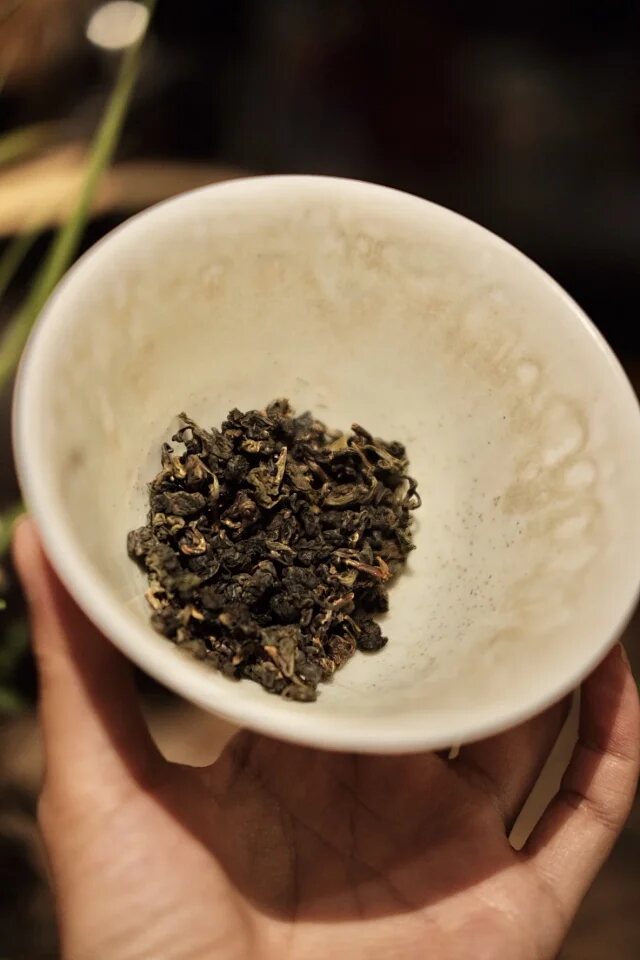
These oolongs come from Qingxin plants growing high in the forests of Wuliang Mountain. The leaf is Yunnan; the making draws on Taiwanese oolong traditions. Some lots are gently roasted, others given a deeper charcoal roast, while leafhopper-bitten tea develops the honeyed fragrance associated with Oriental Beauty.

View the collection

How we choose

The work starts in the garden.

For Gu Rui and Luo Bo, choosing tea begins in the garden, not at a tasting table. They return to places they know, pay attention to how the trees are growing and how the garden is managed, and help make the tea during harvest. From there, the leaf sets the pace: a white tea may need a slower wither; raw Pu’er may turn on the pan temperature; an oolong on how far to take the oxidation or roast. They taste through the process, then keep tasting the finished tea in Shaxi—sometimes for years—to see what time brings out.

Ask about a tea

Contact us

Get in touch.

Ask us about our tea, pottery, or visiting the tea house in Shaxi.

WeChat
lv016958
Visit
Changshou Tea House, No. 49 Sideng Street, Shaxi Old Town, Jianchuan County, Dali, Yunnan, China
云南省大理州剑川县沙溪古镇寺登街49号 长守茶室
Please contact us before visiting.

The form sends your message directly to Changshou. You can also write to us by email or WeChat.

Newsletter

Notes from Changshou

Occasional notes on tea, the people and places behind it, and Luo Bo’s pottery.