
A complete English translation of the original Chinese journal published by Changshou. Text by Gu Rui; photographs and original edit by Luo Bo.
At last, a new house
I had known Master Yang for five years and had never seen him so happy. Relief drifted through the air, a smell like liquorice. After five years of earning bitter money, he had finally saved enough to demolish the old family home—long neglected and officially declared unsafe—and build a new house on the family plot.
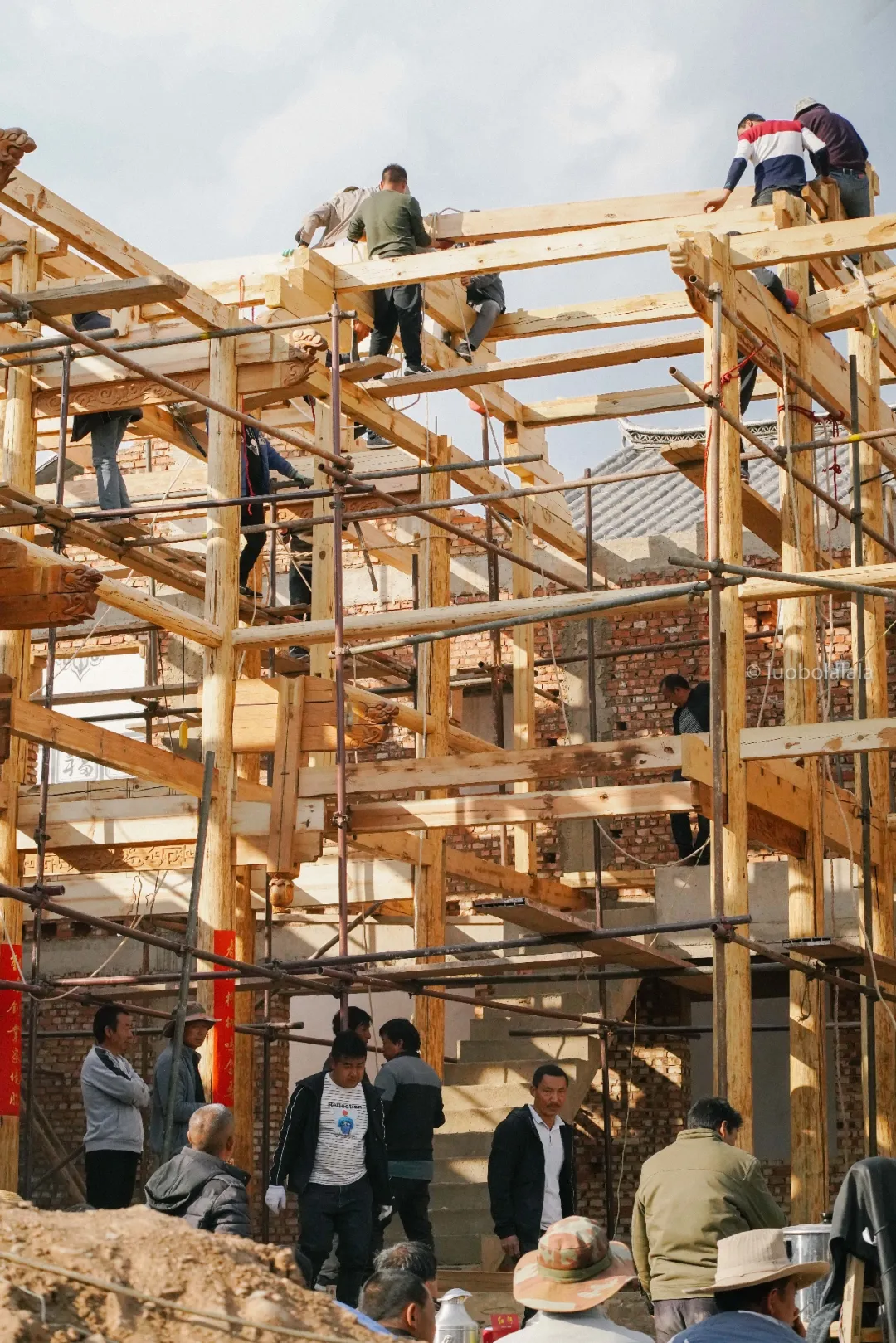
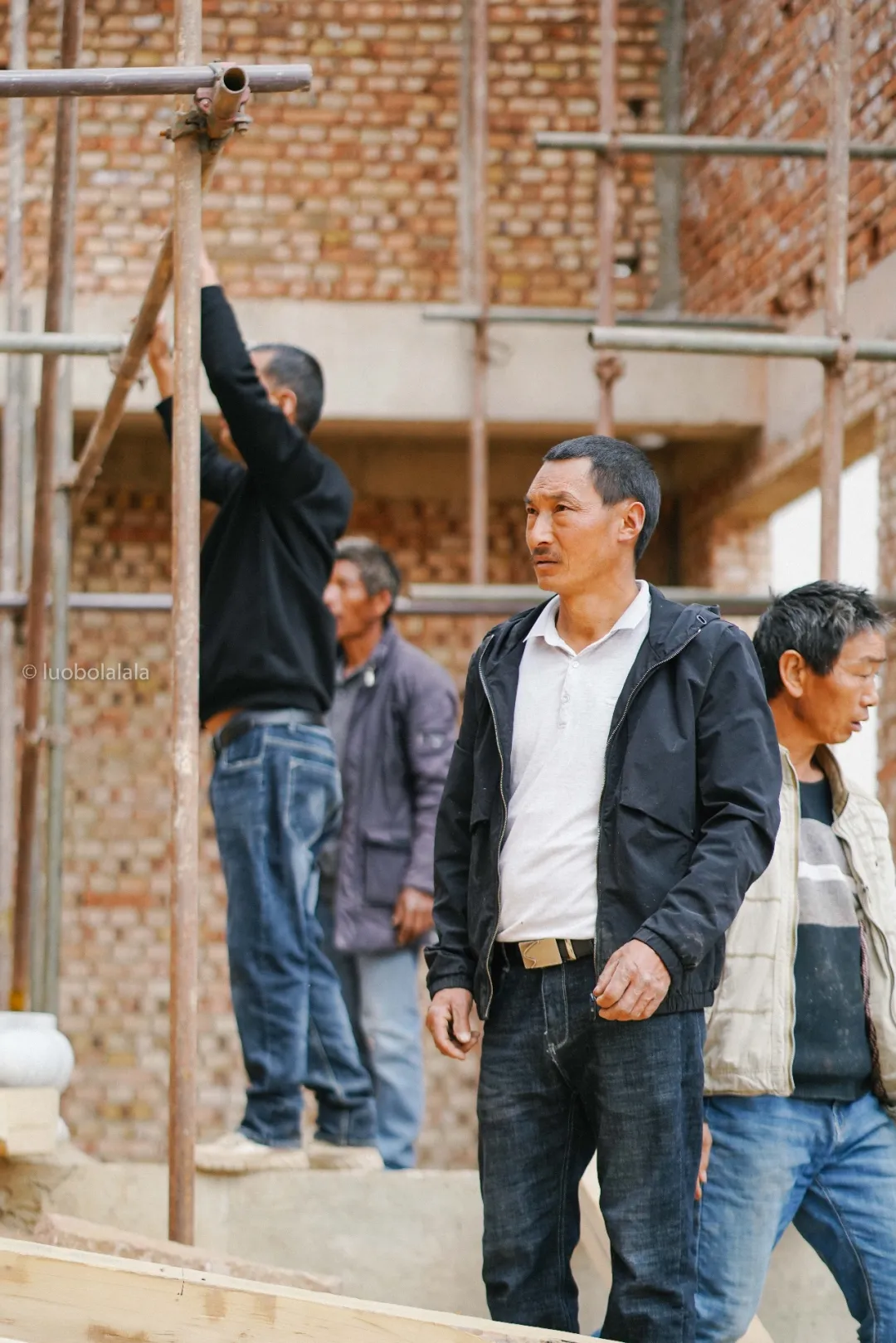
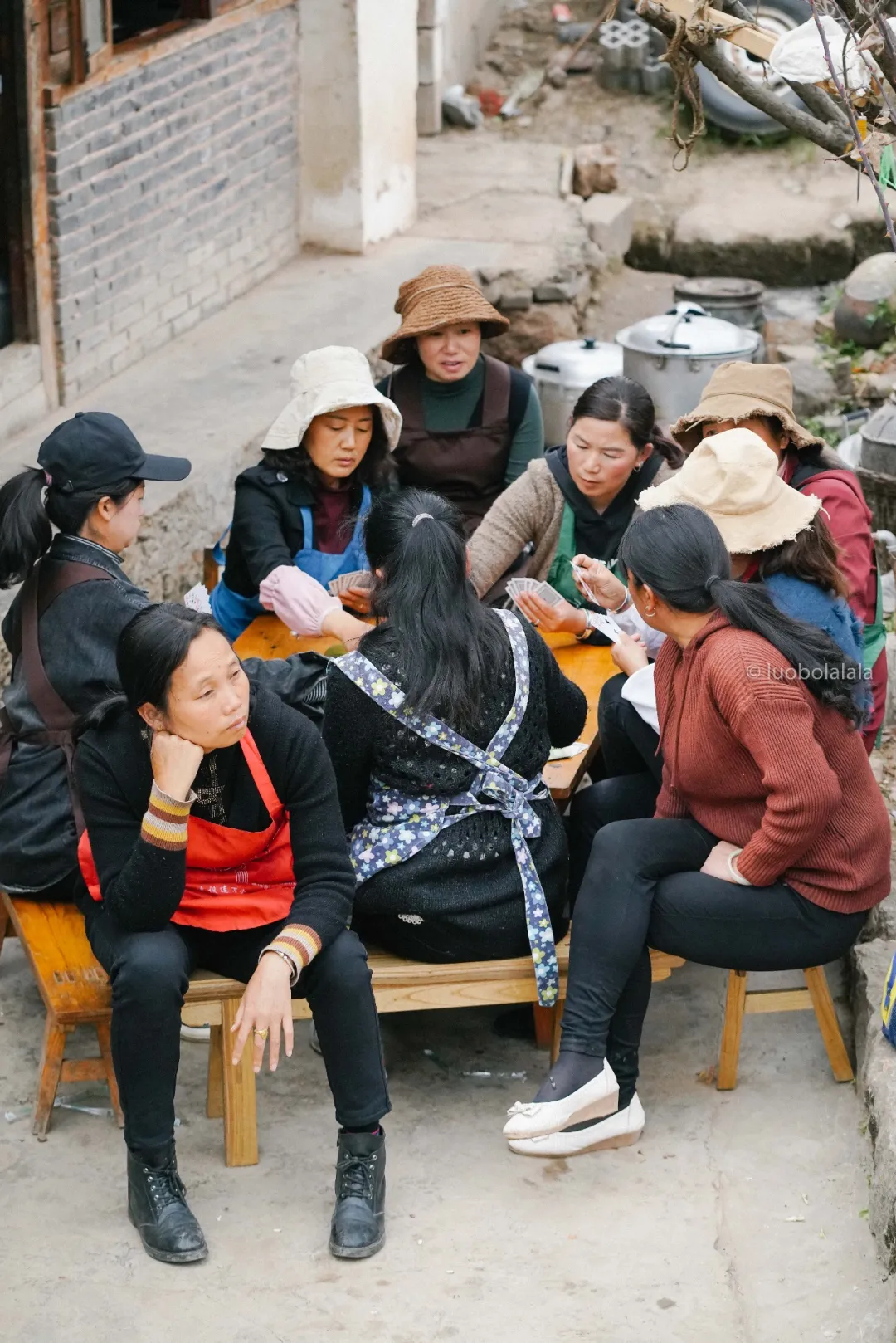
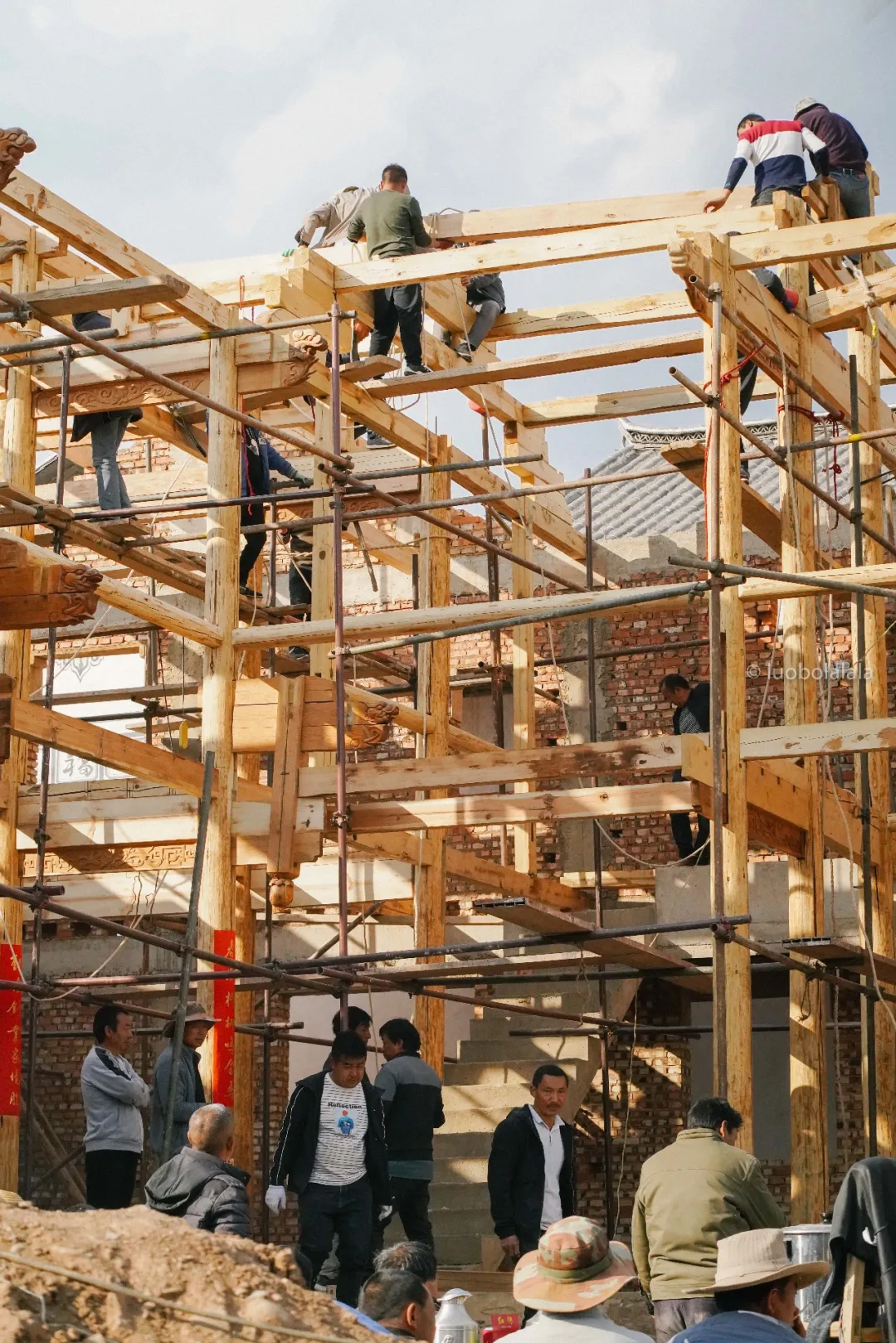
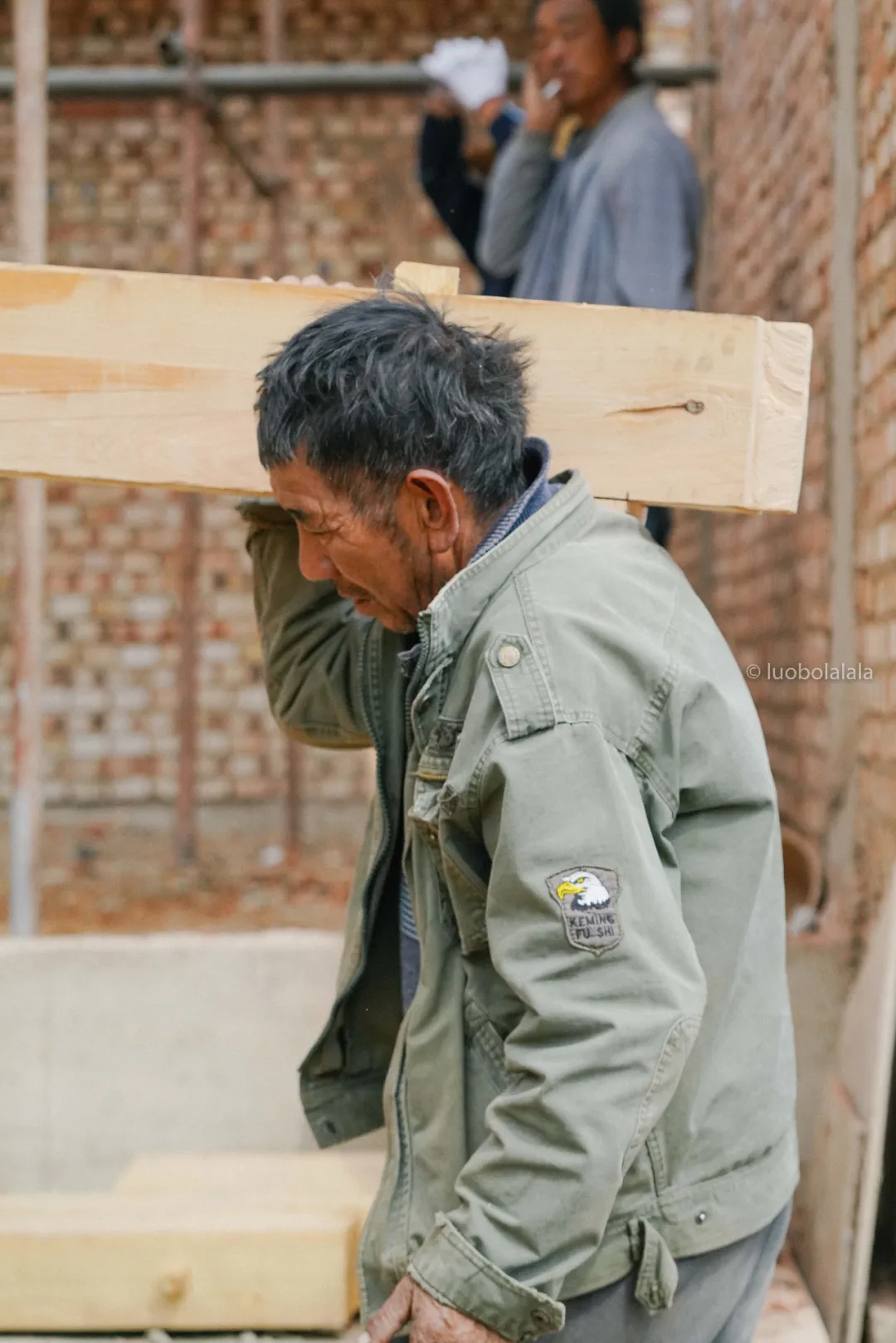
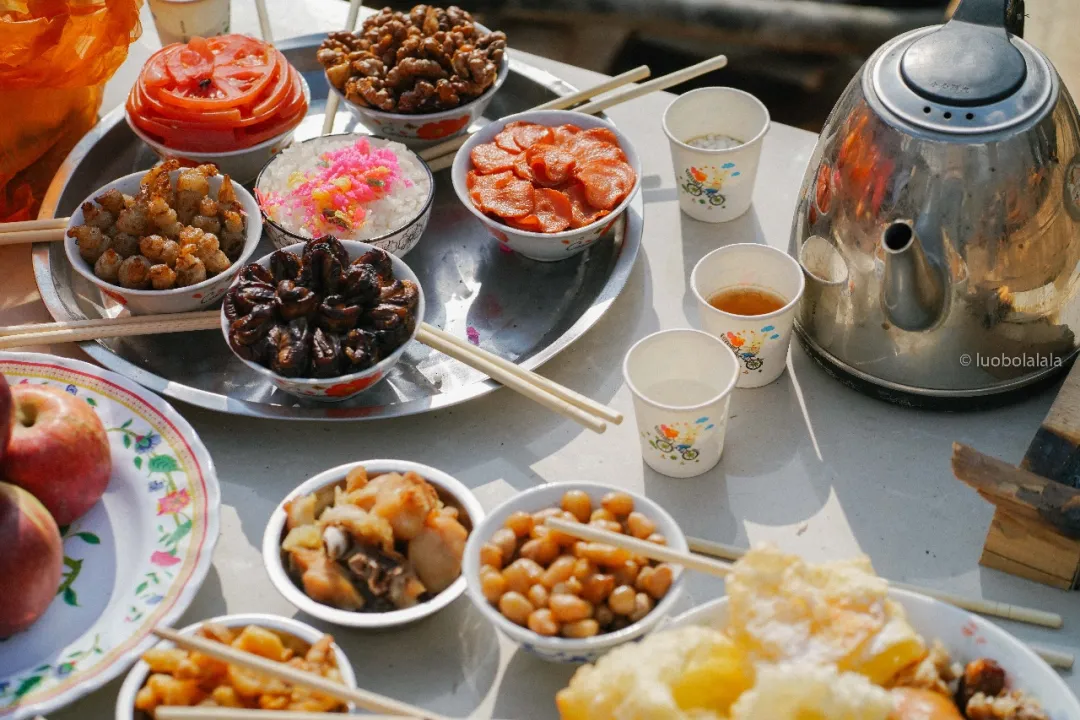
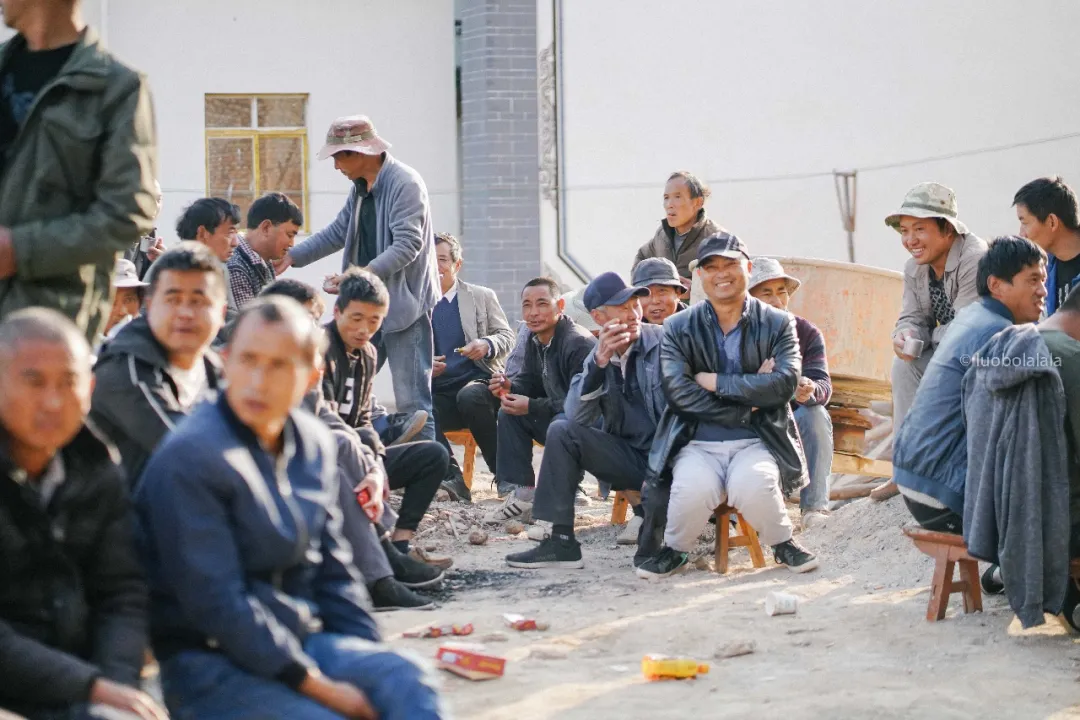
As the epidemic eased in Yunnan and people could move around Shaxi again, Master Yang held the ceremony for raising the house. The village came as guests. Women cooked in great woks; men carried timber and fitted the wooden frame together from scaffolding, swiftly and methodically, like building with blocks. Master Yang moved through it all like a commander. Today he was the host, dressed in clean clothes, and did not have to perform every task himself.
Five years of ‘bitter money’
I met Master Yang through the renovation of the tea room. Small and lean, he looked honest and young. He was carpenter and mason at once, taking on every large and small task. When building work paused, he parked a tricycle on the street and offered visitors rides to Shibaoshan or Bailongtan. When the tea room was finished and he realised the tricycle earned little, he asked me to print business cards: Pipe clearing; water-system repair.
Later he found a suction truck online for fifty thousand yuan. With so many guesthouses in Shaxi, every septic tank would need emptying after a few years; he calculated that the truck would pay for itself in two or three. He imagined putting a kayak on the Heihui River for tourists, until safety rules and government approval stopped the plan. Three years later the government launched its own twin-motor bamboo raft, with a young man in Bai dress and loud karaoke waking the town at nine each morning.
The septic work went fairly well, and even the government and school hired him. Then the truck broke and swallowed much of the income. He wanted to sell it, buy a rice transplanter and seed drill, rent fields, and start again. Shaxi has long been Jianchuan’s granary. I persuaded him that beginning from nothing carried its own cost: better to keep renovating houses and organise a crew. He agreed, though village masters were ageing and most young people had left to work elsewhere.
He had considered almost every way of earning that bitter money. At last he had the capital for the house. On the telephone invitation he sounded drunk, repeating the same sentence: You must come—bring Luo Bo and your younger brother too.
Raising the columns and ridge beam
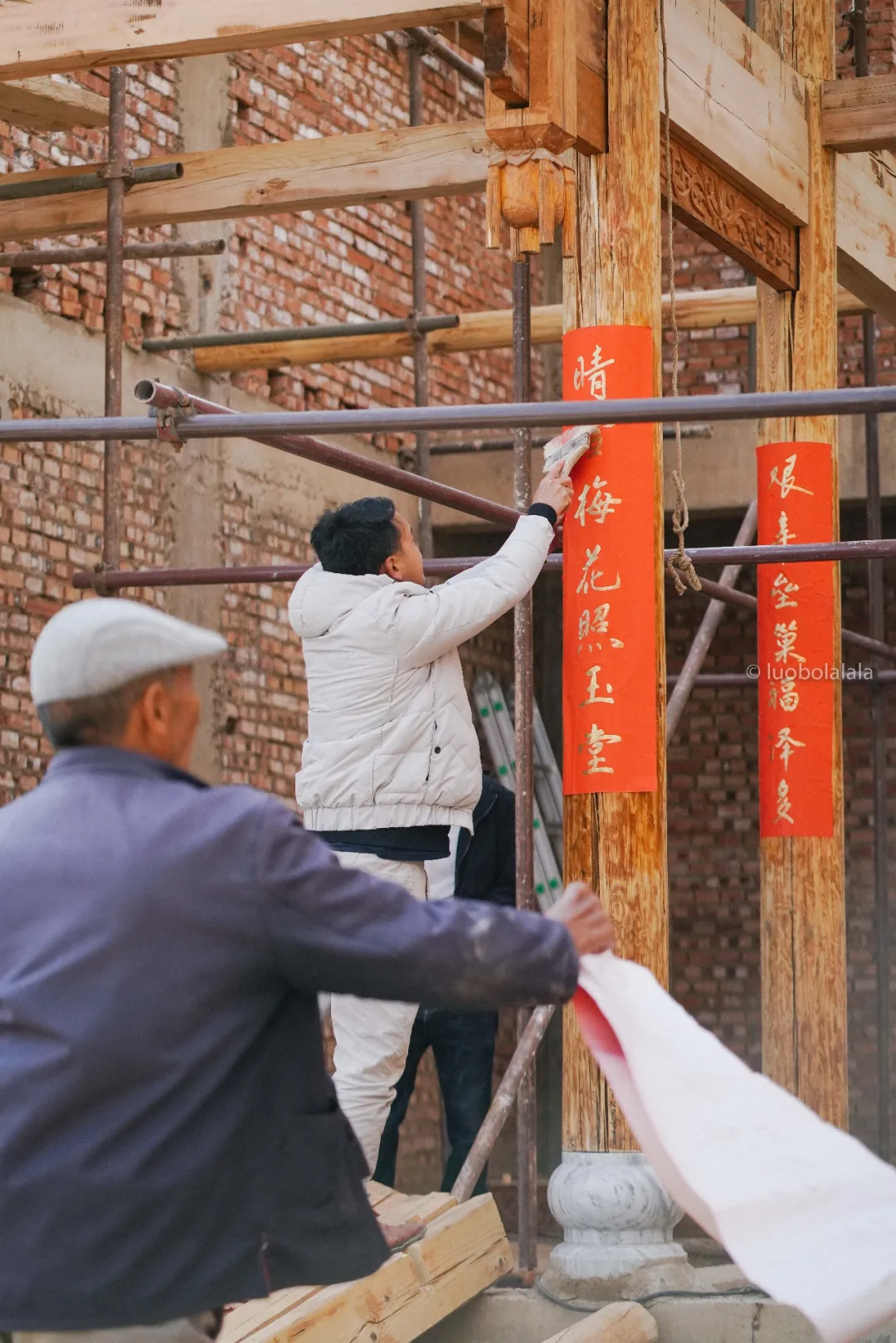
The ceremony has two principal moments: raising the supporting columns, which marks the beginning, and setting the central ridge beam, which completes the frame. A feng shui master chose the day and exact hours. The couplet pasted to a column read: ‘The columns rise on an auspicious day; the beam is set beneath the Purple Star.’
Mountains flank the long north–south Shaxi basin. Houses traditionally lean toward a mountain and face the Heihui River, so most are oriented east or west. A feng shui master still decides the precise bearing and position of the door. Builders told me only five or six such masters remained in the whole basin, most already old; younger people did not want to learn.
The classic Bai house is three wings facing a screen wall; wealthier families built four-sided compounds with five courtyards. Materials and ways of living have changed. Toilets once stood outside while livestock rooms joined the family house. Now bathrooms move indoors and animals out. Master Yang kept a timber structure but used brick for the rear and gable walls, with reinforced concrete around the columns. Traditional rammed earth is costly, labour-intensive, and thick, so fewer people use it.
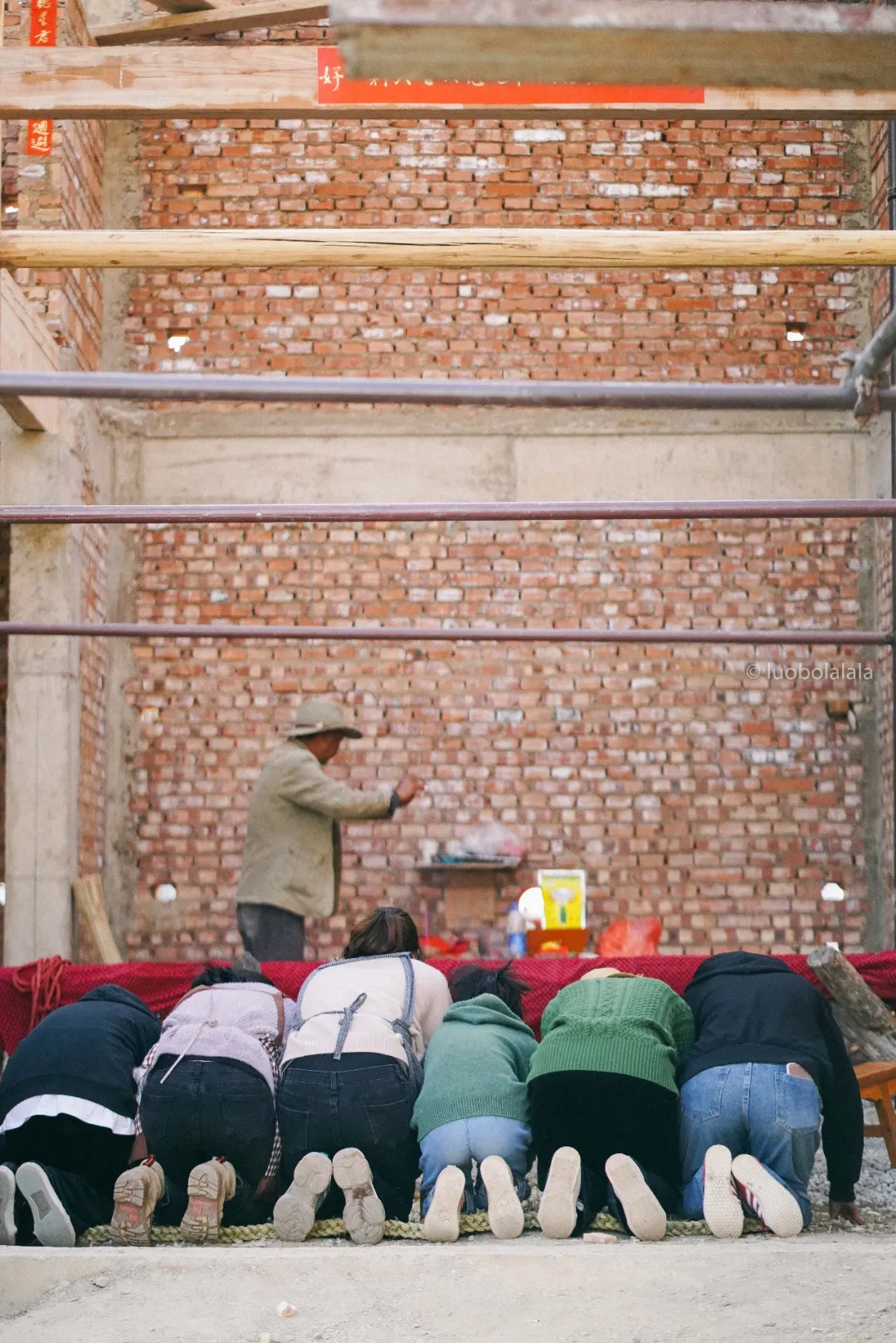
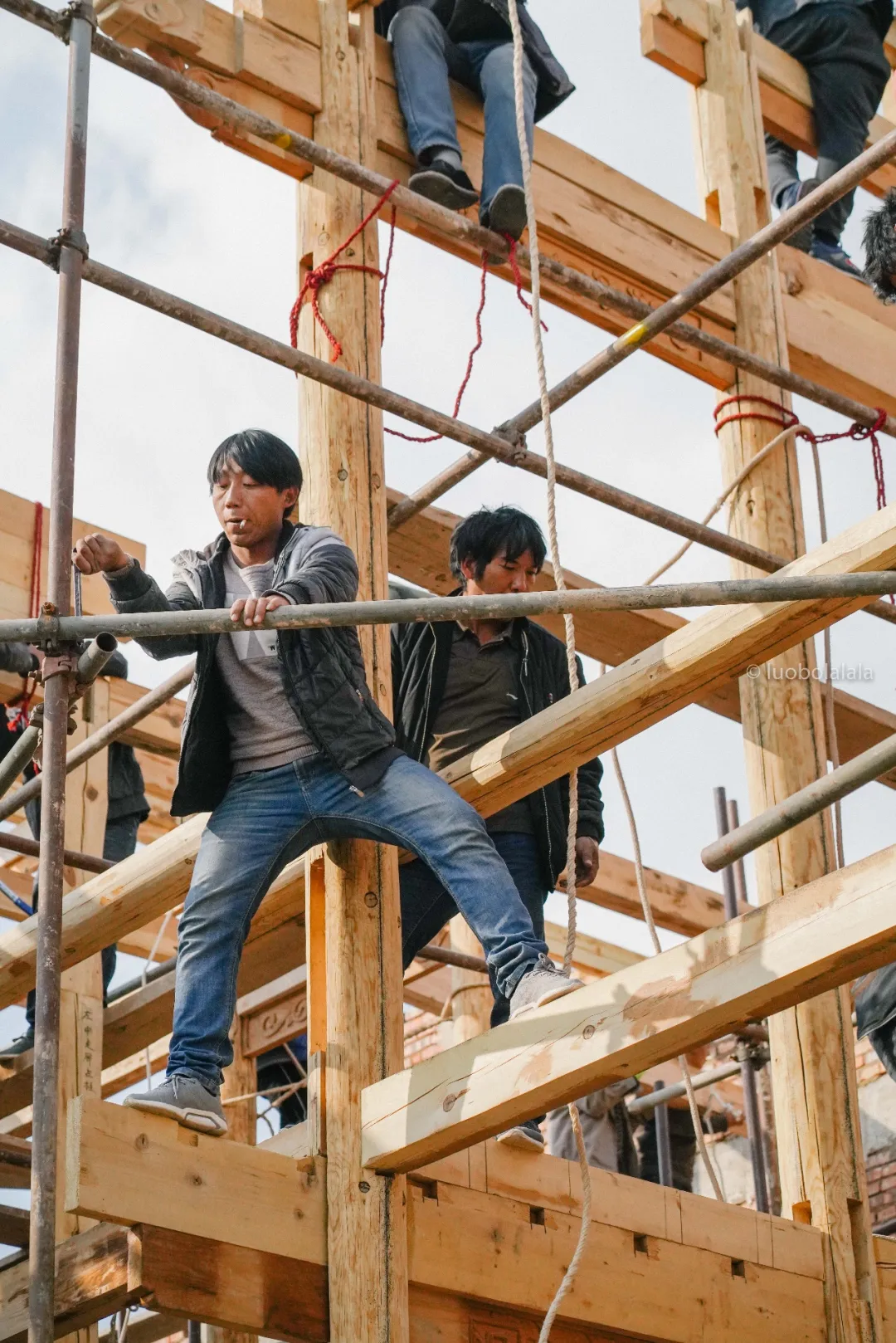
The columns rose from scaffolding amid firecrackers. Red-painted mallets drove numbered tenons into mortises. By evening the timber frame stood. The master carpenter held a rooster and let blood from its comb fall on the main columns to turn away danger and ask for peace. At the end of each Bai blessing everyone shouted ‘Good!’ Master Yang’s family knelt before the red central beam that represented their ancestors.
From above, the master tossed rice cakes toward east, west, north, and south. People scrambled for them; the last landed in the main hall and belonged to Master Yang. Red papers invoked the spirits of metal and wood and Jiang Ziya, commander of the gods. Only the spirit of fire was absent. In a wooden house, the builder explained, that paper had already been burned—the fire deity sent away.
A village builds together
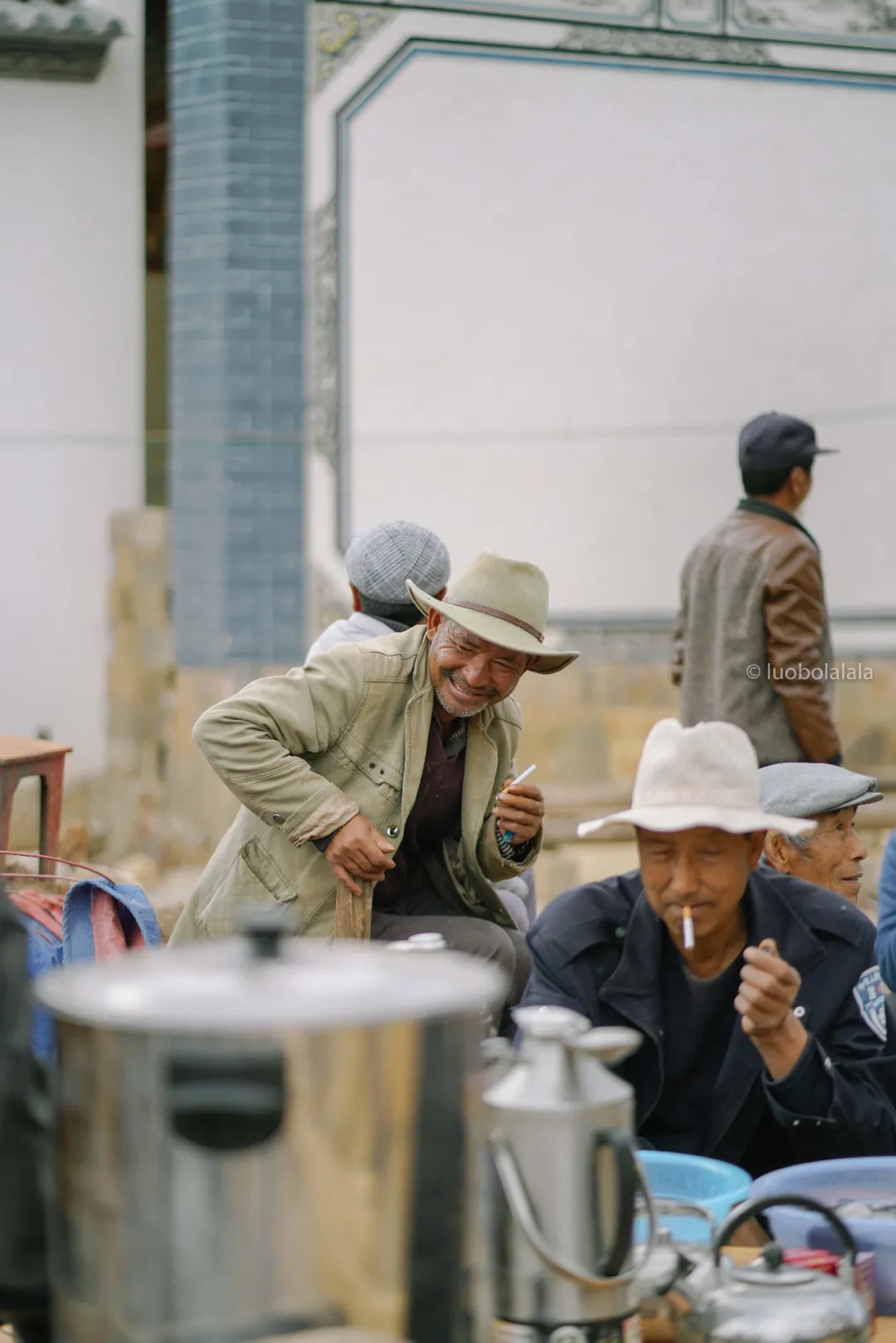
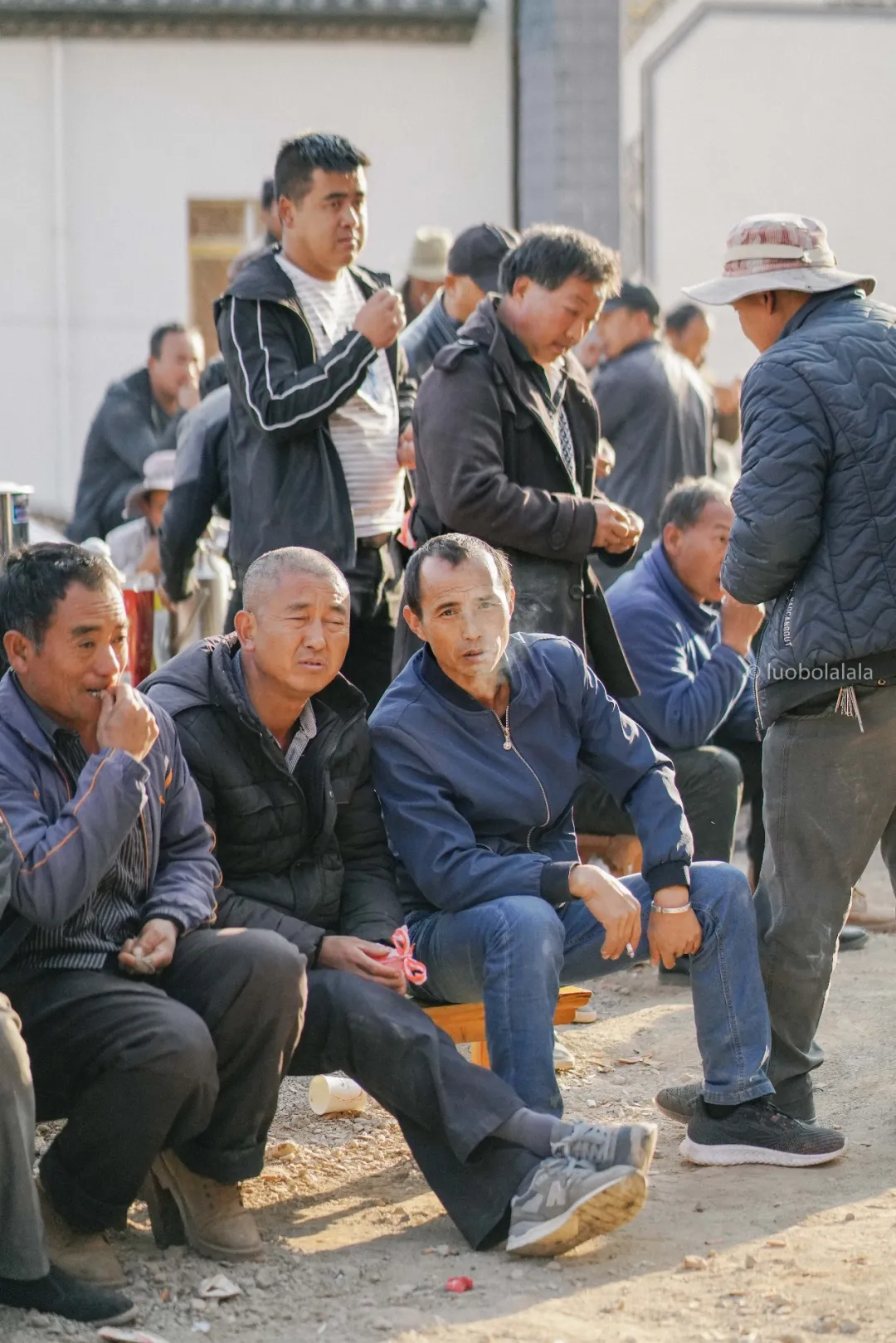
Xiake is not a large village, and Master Yang invited everyone. With so many hands the wooden frame was finished in one day. In a smaller village the same work might take two; in a very large one, only the local section would be called. House-building works like the exchange of wedding gifts: every household contributes, knowing that when its own turn comes the village will return the help.
A saying advises building a house at thirty-six: by then a person has some savings and remains strong enough for the work. Shaxi’s agricultural life is organised around dependence on land. A house needs a residential plot, farming needs fields, grazing and mushroom gathering need forest and pasture. A builder may leave for spring planting, autumn rice harvest, or the season for digging medicinal roots. In the rainy months, villages still mark and defend their mushroom grounds.
Land is a household’s lifeline—property that can be inherited, the material ground of a family’s security. That is why raising a house remains one of life’s largest events. It also earns face. ‘When you are old and people ask how the house is,’ Master Yang said, ‘you cannot keep saying it is still the old place.’ Once it was finished, he could save for his two daughters’ schooling. If both reached university before he had built, he would not have strength or money for both responsibilities.
I looked at him. Fine wrinkles filled his face; while working for the house he had knocked out two lower teeth. He had aged greatly.
Staying and moving
Master Yang could not know that a publisher named Lu Jinbo had once advised young people to visit Taipei, Tokyo, New York, and Lhasa before thirty, then claimed that a man who bought a house before thirty-five would never accomplish much. The remark sparked a debate about property.
It sounds close to Shaxi’s saying about building at thirty-six, but its meaning is opposite. It argues for a mobile modern life: investing time and money in personal growth instead of a fixed home, becoming a citizen of the world, light as air, a bird moving with the monsoon. Fei Xiaotong described rural society differently—as a world attached to native soil, where people are born, grow, and die in one place and the land from which they draw resources changes little.
Master Yang said each person’s portion of land had grown smaller since fields were divided among households. Two mu passed to several children, then was divided again among the next generation. Residential plots were even scarcer. As children formed new families, some once filled farmland to build houses. Fragmentation made it harder to live by agriculture alone, even as subsidies tried to keep young people farming rather than leaving for city work.
One day after reading Lu’s remark, I saw him in Shaxi with his family, enjoying the sun in the square. A friend said he had already bought a house in Dali.
Postscript: the ceremony described here took place after movement reopened in Shaxi and was reported to, and approved by, the authorities. Yunnan had recorded no new COVID infections for many days.