Translated from Changshou’s original 2016 craft essay. Its explanations of water, ions, porosity, and tea chemistry are the author’s workshop observations, not established scientific or health claims.
Shape, glaze, and body
This year I returned to Jingdezhen in search of more and better vessels, and to understand how different vessels affect tea. I visited many ceramic artists and studios, then stopped in Yixing on the way home. What follows is the beginning of a more systematic understanding; specialists are welcome to correct anything I have missed.
Broadly speaking, I think a vessel’s influence on tea can be grouped under three physical qualities: its shape, its glaze, and the body of clay beneath. Pieces fired in Jingdezhen’s high-temperature kilns—above roughly 1,300°C—or Yixing electric kilns—above roughly 1,100°C—are stable objects. Their glaze should not shed colour, nor should the fired clay fundamentally change during brewing.
Shape is the easiest to observe. A narrow, straight-sided cup concentrates heat and aroma; a wide cup with a flared rim cools faster and is less likely to burn the hand. Choosing a form that lets a particular tea show its character matters.
What glaze contributes
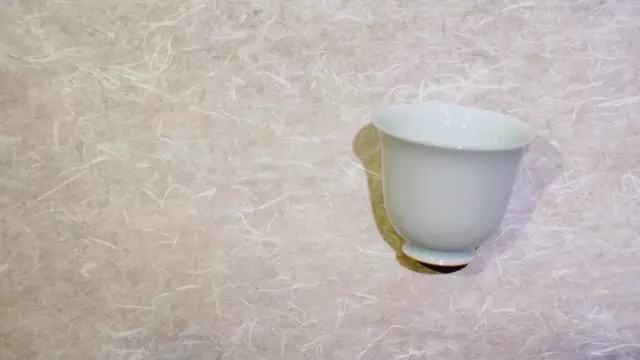
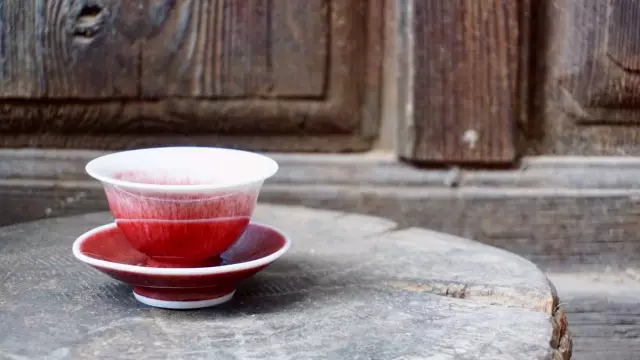
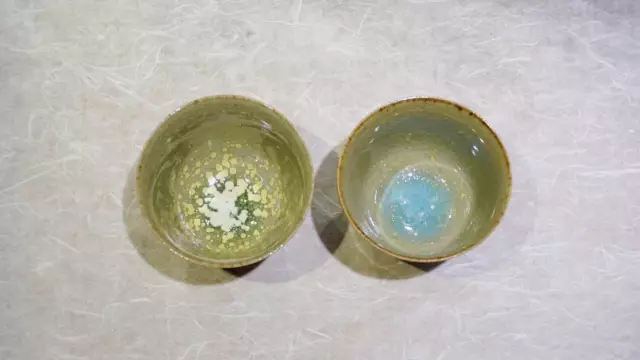
By glaze I mean traditional glaze-making rather than easily formulated commercial chemical glazes. Traditional recipes grind and mix quartz, mineral stone, wood ash, and other materials. Quartz helps give many glazes their glassy brightness, as in qingbai. Minerals and metallic elements produce crystals, lustres, colour, and kiln transformations. Jingdezhen’s celebrated langyao red, for example, uses copper as a colourant.
The hare’s-fur markings seen in Jian-style bowls form when iron oxides in the body and glaze are carried by bubbles, flow across the surface, and crystallise. Wood-ash slurry is among the oldest glaze methods, fluid in the kiln and capable of extraordinary variation.
During firing, mineral glazes may develop tiny bubbles and varied surfaces. In my own tasting, some such cups seem to soften water and change the texture of tea. I once explained this through minute exchanges between the tea, water, and mineral ions, drawing an analogy with iron or silver kettles. That mechanism should be treated as a working idea; the useful test remains comparative tasting.
Clay, porosity, and heat
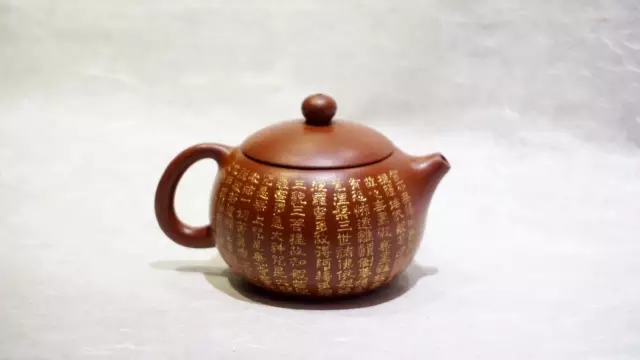
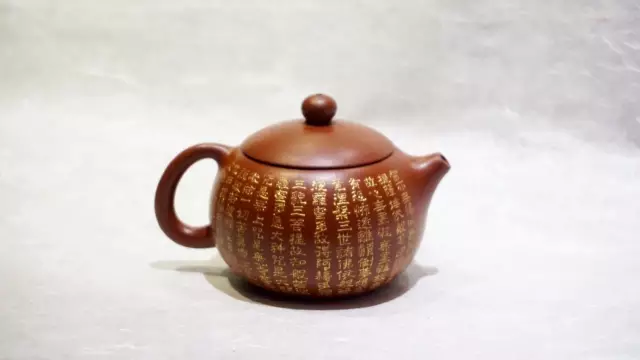
Yixing stoneware provides the clearest example of the clay body itself. Its porous structure is traditionally said to breathe. Tea left in a Yixing pot does not stale as quickly, and heat moves through the pot differently from a dense glazed vessel. It can be useful to think of the pot as a small thermal circulation system.
When ceramic is glazed, the density of body and surface differs, and the vessel behaves differently from unglazed clay. A covered porcelain bowl can hold a tea closely enough to expose flaws; a porous Yixing pot tends to soften and disperse. Unglazed wood-fired ware is porous too, though kaolin-based clay is not the same as Yixing clay. In my own cups, wood-fired ware often makes liquor feel softer and thicker, while muting very high aromas.
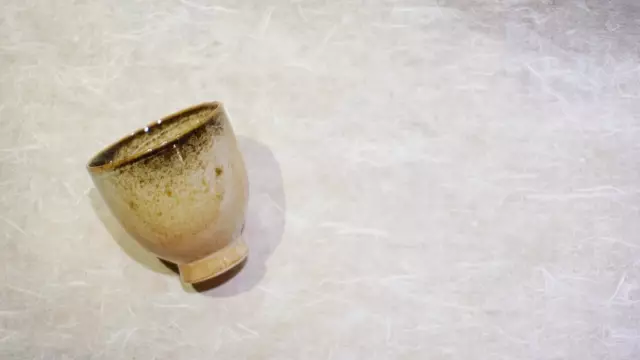
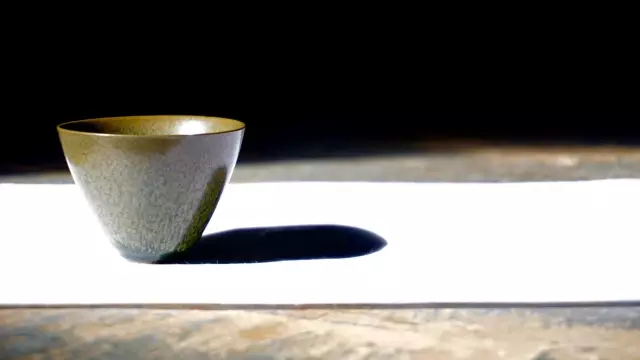
No single effect makes a vessel universally better. A vessel that benefits one tea can flatten another. Shape, handwork, glaze, clay, kiln atmosphere, and firing interact in ways that are difficult to predict.
Choose by the result
For that reason, I choose by result rather than by theory. Instead of reasoning from a label or technical explanation, brew the same tea in vessels you already own and compare what happens. The most direct and practical answer is the cup in which you most enjoy the tea.
Jingdezhen and Yixing also embody different craft systems. Jingdezhen speaks of ‘work and material’ as the two foundations of value. Its processes can be extremely complex. Gas-kiln atmosphere, glaze, throwing, painting, and placement introduce countless variables; transformation in the kiln is never completely predictable. Hence the saying that one treasure may emerge from a hundred firings and ten thousand pieces.
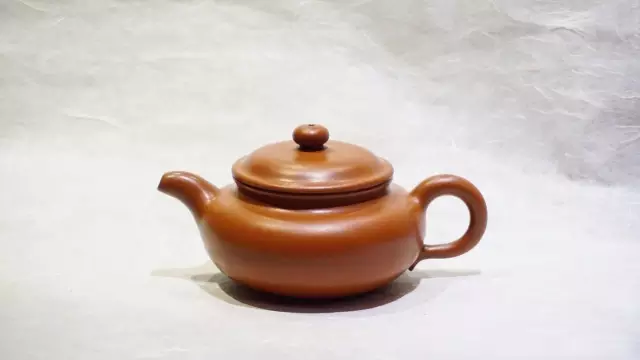
Yixing uses a similar phrase, but ‘material’ usually means the zisha clay itself. The raw clay in a single pot is not necessarily the largest cost. Some makers weather stone for years and refine their own clay; myths about exhausted mines have also encouraged speculation. The value of a strong pot lies in the marriage of material and craft.
Two craft cultures
For a plain geometric Yixing pot, the alignment of spout, body, and lid is a basic standard. Firing temperature changes colour dramatically: pots from the same clay can differ by several shades when kiln temperature varies by a hundred degrees. Judging material or technique alone misses the finished result.
Yixing distinguishes plain wares—round or square geometric forms, sometimes carved—from decorative wares modelled after flowers, fruit, plants, birds, and animals, as well as modern experimental forms. Formal rank also strongly influences how makers are judged and priced. The higher the official title, the higher the market value, which has encouraged pots sold under senior names but made by assistants or lower-ranked craftspeople.
Yixing left me with a deep impression of institution and tradition. In Jingdezhen, markets and creative districts continually invent new ways to encourage ceramic experiment. It is difficult to say that one system is better. Yet creativity—and the youthful intensity within it—always moves me more.
Cover and original illustrations by Luo Bo.